How to Choose the Right Gantry System for Your Business?
Choosing the right gantry system is crucial for your business's efficiency and growth. Industry expert Dr. Emily Huang, a leading authority in material handling, emphasizes, “Selecting the proper gantry system can significantly impact productivity.” A well-chosen gantry system optimizes workflow and reduces operational costs.
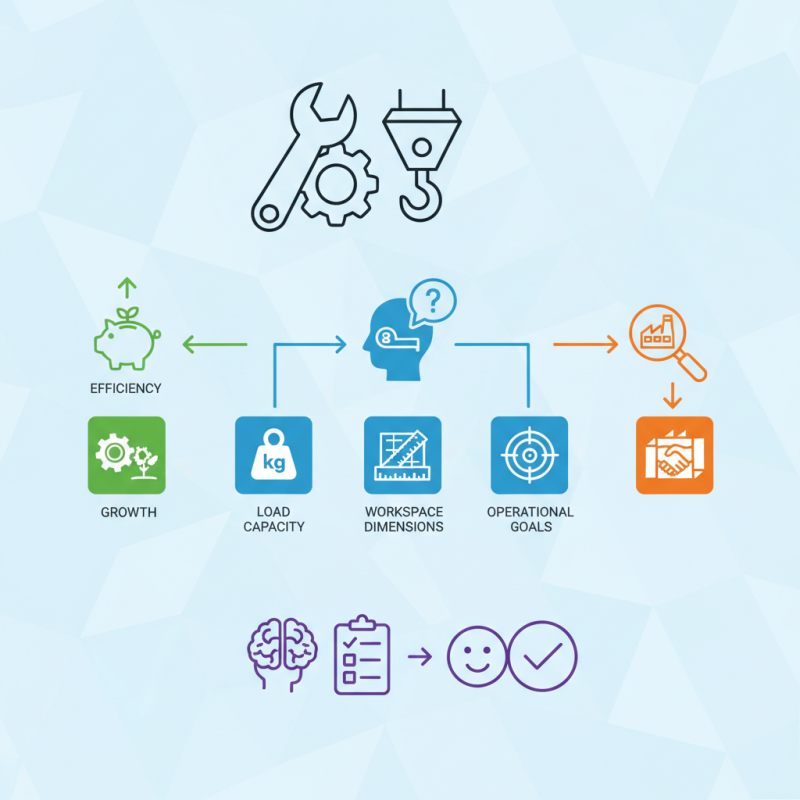
Understanding your business's specific needs is essential. Different applications require varying design specifications. The gantry system must align with factors like load capacity, workspace dimensions, and overall operational goals. Not every system fits all scenarios, and overlooking details may lead to inefficiencies.
Reflecting on previous experiences can help clarify your choices. Some companies rushed decisions, only to reevaluate their systems later. A successful gantry system should enhance productivity, not hinder it. Thorough research and expert consultation pave the way for informed decisions that best suit your unique requirements.
Understanding the Types of Gantry Systems and Their Applications
When selecting a gantry system, understanding the types available and their applications is critical. Gantry systems generally fall into three categories:
fixed,
mobile, and
adjustable.
Fixed gantry systems are optimal for repetitive tasks in a permanent location. They ensure stability and strength for heavy loads, making them suitable for manufacturing facilities.
On the other hand, mobile gantry systems offer flexibility. These systems are easy to move and adjust as required, perfect for smaller workspaces or varied tasks.
Choosing the right type can be tricky. Consider your workspace dimensions and the weight of the loads you will handle. Evaluate if you need a system that can be easily relocated. If your operations often shift,
a mobile gantry might be more beneficial than a fixed one.
Tip: Measure your load weight and height first. It will help you avoid purchasing a system that over or under meets your needs. Always think about your future requirements.
Flexibility in the gantry system might save you from buying additional equipment later. A critical reflection on your specific operational needs can guide you to the best decision.
Assessing Load Capacity and Weight Distribution for Gantry Systems
When selecting a gantry system, assessing load capacity is critical. Each gantry is designed to handle specific weights. Knowing your load's weight ensures safety and efficiency. Overloading a gantry can lead to accidents and damage. It is vital to have a proper estimate of the heaviest item you intend to lift.
Weight distribution is another key factor. An uneven load can cause instability. Make sure that weight is centered, especially if the load is irregularly shaped. This keeps the system balanced and operational.
**Tips:** Always consult with a professional to verify your weight assessments. Perform a test lift with a smaller load to gauge the system's response. It’s crucial to regularly inspect your gantry for wear and misuse. Monitor your loads continuously, as conditions can change. Ensure that your team is trained in proper lifting techniques to avoid mishaps.
How to Choose the Right Gantry System for Your Business? - Assessing Load Capacity and Weight Distribution for Gantry Systems
| Gantry System Type |
Max Load Capacity (lbs) |
Weight Distribution Method |
Material |
Average Price ($) |
| Aluminum Gantry |
2000 |
Evenly Distributed |
Aluminum |
1500 |
| Steel Gantry |
5000 |
Central Loading |
Steel |
3000 |
| Portable Gantry |
1500 |
Distributed |
Aluminum |
800 |
| Heavy Duty Gantry |
10000 |
Evenly Distributed |
Steel |
5000 |
| Mini Gantry System |
500 |
Central Loading |
Aluminum |
400 |
Evaluating Space Requirements and Configuration Options for Gantry Systems
Choosing the right gantry system requires careful consideration of space requirements.
Understand the dimensions of your workspace. Measure the height, width, and length to ensure the system fits seamlessly.
Consider obstacles like beams or columns that may affect the gantry's movement. This step is crucial as it saves time and potential costs in modification.
Next, evaluate the configuration options available for gantry systems. Different setups can influence workflow efficiency.
A single beam design might suit low-load situations. However, a double beam offers increased stability and weight capacity.
Think about if you need mobility. Mobile gantry systems can provide flexibility but require ample space to move.
Reflect on the load you plan to lift. Overestimating can lead to structural issues.
Underrating may result in insufficient support. Ensure your chosen system aligns with your operational needs.
A thoughtful analysis may reveal the right solution that balances efficiency and safety.
Comparing Material Durability and Maintenance Needs in Gantry Systems
When selecting a gantry system, comparing material durability and maintenance needs is crucial. Different materials affect the longevity of the equipment. Steel and aluminum are common choices, each offering distinct benefits. Steel is robust and suited for heavy loads but is prone to rust. Aluminum, on the other hand, is lightweight and resistant to corrosion, which is essential in humid environments.
Maintenance needs also vary significantly based on material. Steel structures require regular inspections and corrosion resistance measures. Neglecting these can lead to costly repairs. Aluminum requires less intense upkeep, but it’s still essential to monitor for structural integrity. Understanding these differences can guide your investment decisions.
Evaluating how much load a gantry system will bear is another factor. Heavy loads may weaken aluminum over time, increasing maintenance needs. Steel can handle more but requires continuous care. Assess your workload, environment, and required upkeep. Balancing these elements will ensure your chosen system meets your business needs effectively.
Comparing Material Durability and Maintenance Needs in Gantry Systems
Analyzing Cost-Benefit Factors for Gantry System Investment Decisions
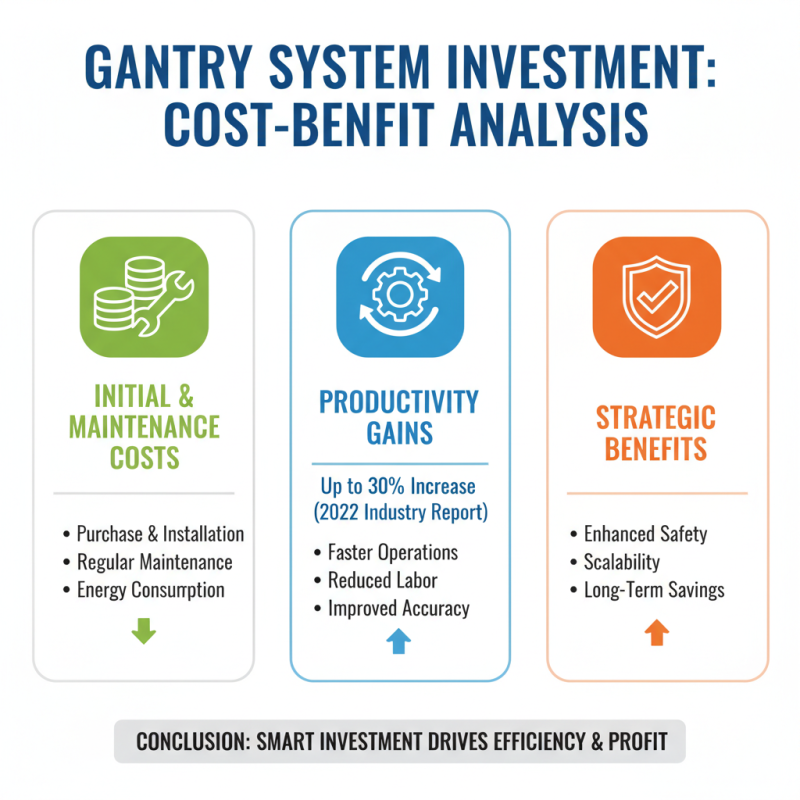
When investing in a gantry system, assessing cost-benefit factors is crucial. A robust analysis should consider initial costs, maintenance, and productivity gains. According to a 2022 industry report, companies investing in automation, including gantry systems, saw productivity increases of up to 30%. This data suggests that the right system can significantly enhance operational efficiency.
However, it’s important to reflect on hidden costs. Many businesses overlook ongoing maintenance and potential downtime. Research indicates that unplanned downtime can cost companies an average of $250,000 per hour. Therefore, evaluating the total cost of ownership over time is essential for making an informed decision.
Additionally, labor implications cannot be ignored. While gantry systems reduce manual handling, they often require skilled technicians for operation. A survey by the Industrial Automation Association found that nearly 40% of companies struggle to find qualified workers for advanced system operation. Balancing labor costs with automation benefits is key to evaluating your investment’s true worth.