

• Gantry Robot Manufacturer & Articulated Arm Integrator

Why Choose a House Solar Power System for Your Home?

Choosing a House Solar Power System is no longer only an environmental statement. It is a practical energy decision for homeowners facing rising electricity costs, grid interruptions, and greater interest in energy independence. The International Energy Agency’s Renewables 2024 report projects solar photovoltaic power will provide around 80% of global renewable capacity growth through 2030. That momentum matters at home. More installers, improved inverters, and stronger battery technology are making residential solar easier to consider.

A typical system places photovoltaic panels on a south-facing or otherwise suitable roof. The panels produce direct-current electricity, while an inverter converts it for household appliances, such as refrigerators, heat pumps, and washing machines. With a battery, surplus midday energy can be stored for evening use. The U.S. Energy Information Administration reports that residential electricity prices have continued to rise over recent years, although local trends differ. Savings depend on roof orientation, shading, household demand, financing, and utility rules. The headline numbers can mislead.

A House Solar Power System is not a universal answer. A shaded roof may need tree management or a ground-mounted design. An old roof may require replacement first. The National Renewable Energy Laboratory emphasizes that solar economics depend heavily on site conditions and system design. That is why a professional assessment should review annual consumption, local solar exposure, equipment warranties, and maintenance access. Solar is not magic. It is an engineered investment, and careful planning often matters more than buying the largest system available.
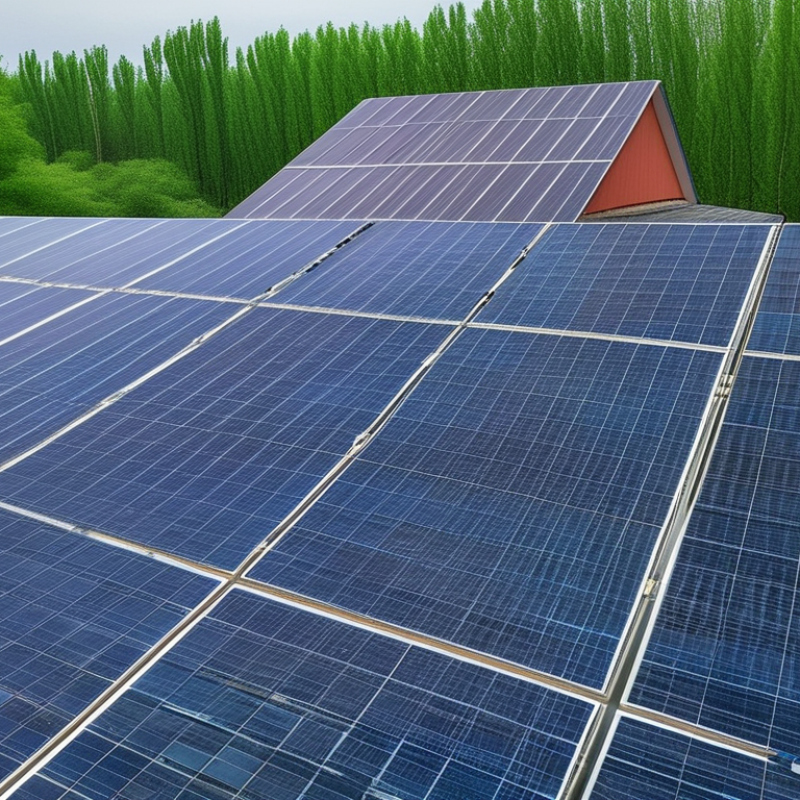
Why Choose a House Solar Power System for Your Home?

What Is a House Solar Power System?

A house solar power system is a home energy setup that converts sunlight into usable electricity. Solar panels capture light on the roof or another suitable area. An inverter then changes the panels’ direct current into alternating current for household appliances. Sunlight becomes electricity.

The system may connect to the public grid, a battery, or both. During sunny hours, it can power a refrigerator, lights, and a washing machine. Extra electricity may charge a battery or flow to the grid, depending on local rules. At night, stored energy can supply selected circuits. Clouds change the numbers. A battery also adds cost, weight, and maintenance needs, so it is not automatically necessary.

A reliable design begins with measured information, not a quick estimate. An installer should review roof direction, shading from nearby trees, structural strength, yearly electricity use, and local electrical requirements. In my experience, shading at 4 p.m. can matter more than a roof that looks large in the morning. The roof is not everything. Panel output also declines gradually with age, while extreme heat can reduce production during bright days. It is not magic. Homeowners should check warranties, monitoring methods, emergency shutdown features, and maintenance access before approving work. A smaller system may be more practical than filling every available roof section. That choice deserves careful reflection.

Why Choose a House Solar Power System for Your Home?

What Is a House Solar Power System?

A house solar power system uses photovoltaic panels to convert sunlight into electricity for household appliances. The chart shows the estimated annual electricity generation of different residential system sizes using an 18% capacity factor. Annual output is calculated as system size × 8,760 hours × 18%.

Larger systems can generate more clean electricity, helping reduce grid electricity purchases and household carbon emissions. Actual production varies with sunlight, roof orientation, shading, weather, and local installation conditions.

How Does a Home Solar Power System Work?

A home solar power system turns sunlight into usable electricity through several connected steps. Solar panels on the roof absorb light and produce direct current, or DC power. An inverter changes this DC power into alternating current, or AC power. Your lights, refrigerator, and other appliances can then use it safely.

The process is practical and easy to observe. On a sunny afternoon, panels may supply electricity to a running washing machine while extra power charges a battery. Without a battery, surplus electricity may flow to the utility grid, depending on local rules and the installed meter. At night, the home can draw stored energy or grid power. A monitoring device shows daily production, household use, and unexpected drops.

Real homes are less tidy than diagrams suggest. Roof angle, dust, trees, and seasonal shadows can reduce output. A qualified installer should check these conditions, wiring, ventilation, and local electrical requirements before installation. Regular inspection can reveal loose connections or unusual performance. The system is quiet, but it is not maintenance-free. I would also question optimistic production estimates, especially when winter clouds or future shading are ignored. That small doubt can lead to a more dependable design.

Why Choose a House Solar Power System for Your Home? - How Does a Home Solar Power System Work?

System Dimension How It Works Typical Residential Data Main Home Benefit
Solar panels Photovoltaic cells convert sunlight directly into direct-current electricity. A common residential panel is approximately 350–450 watts under standard test conditions. Generates electricity on-site without fuel combustion during operation.
Solar array size Multiple panels are connected to form an array sized according to electricity demand, roof area, sunlight, and budget. Many homes use systems of about 3–10 kilowatts, although the appropriate size varies by location and consumption. Allows the system to be matched to household energy needs.
Inverter Converts the panels’ direct-current output into alternating current used by household appliances. Conversion efficiency is commonly above 95% for modern residential inverters, depending on operating conditions. Makes solar electricity compatible with standard household circuits.
Household electricity use Solar electricity is used by appliances first when generation is available. Output is generally highest during daylight hours, especially around the middle of the day. Reduces the amount of electricity that must be purchased from the grid.
Battery storage Stores surplus solar electricity for later use, such as at night or during an outage when the system is designed for backup operation. Residential batteries are commonly rated from approximately 5–20 kilowatt-hours of usable capacity. Improves energy self-consumption and can provide limited backup power.
Utility grid connection The home draws electricity from the grid when solar production and stored energy are insufficient. Grid-connected systems normally continue to use the utility network unless specifically equipped for backup operation. Provides reliable electricity during low-sunlight periods.
Excess electricity Surplus generation may charge a battery or flow to the grid, subject to local utility rules. Export compensation, credit rates, and eligibility depend on the local electricity provider and regulations. Can increase the value of electricity that would otherwise be unused.
Energy production factors Production changes with sunlight, shading, roof direction, tilt, temperature, dust, and system losses. Actual annual output is site-specific; rated capacity alone does not determine yearly generation. Highlights the importance of a professional site assessment before installation.
Environmental impact Solar panels generate electricity without direct on-site emissions during operation. Lifecycle emissions are associated mainly with manufacturing, transportation, installation, and end-of-life processing. Can reduce reliance on electricity generated from fossil fuels, depending on the local grid mix.
Maintenance needs The system has no fuel engine and generally requires inspections, monitoring, and occasional cleaning where needed. Maintenance requirements are typically lower than those of conventional fuel-based generators. Supports predictable operation and lower routine maintenance demands.
System lifespan Panels gradually lose output over time, while inverters and batteries may have different service lives. Many photovoltaic panels are designed to operate for 25 years or more, subject to product specifications and conditions. Provides long-term energy production when properly designed and maintained.

What Are the Main Benefits of Residential Solar Energy?

Why Choose a House Solar Power System for Your Home?

A house solar power system can turn an unused roof into a working energy asset. Photovoltaic panels produce electricity during daylight, reducing the amount purchased from the grid. On a clear morning, a home meter may show lower electricity demand. That change is visible. Over time, lower bills can improve household budgeting, although savings depend on sunlight, system size, and local electricity rates. Cloudy weeks can reduce production more than many new owners expect.

A careful residential energy assessment checks roof direction, shading, wiring, and yearly electricity use. Nearby trees may cast long shadows across panels before noon. An experienced installer should explain expected output, maintenance needs, permits, and safety requirements. Battery storage can keep selected appliances running during outages. It is useful during interruptions. Still, batteries add cost, weight, and replacement considerations. Solar is not maintenance-free. Panels generally need occasional cleaning and inspection, especially near dusty roads or coastal air. I once viewed solar as a simple purchase, but system design often matters more than panel quantity.

Solar energy can also reduce emissions linked to household electricity consumption. Less grid electricity may mean fewer fossil-fuel resources are burned, depending on the local power mix. However, manufacturing and transporting equipment also require energy. That detail matters. Homeowners should review written estimates, projected production, equipment warranties, and local connection rules before signing an agreement. Ask how performance will be measured. Small checks can prevent expensive misunderstandings.

How Much Does a House Solar Power System Cost?

Why Choose a House Solar Power System for Your Home?

How Much Does a House Solar Power System Cost?

A house solar power system often costs between $10,000 and $25,000 before incentives. This range usually covers a 5–8 kilowatt grid-connected system in many U.S. markets. Local labor rates can change the final quote significantly. Roof height, panel access, wiring distance, and permit fees also affect pricing.

Battery storage adds another $8,000 to $15,000 in many installations. A battery can keep essential lights, a refrigerator, and internet equipment running during outages. However, not every home needs one. If your utility offers strong daytime credits, exporting excess electricity may cost less. A professional should compare both options using your actual electricity bills.

Ask for an itemized estimate. It should show equipment, labor, permits, monitoring, and future service costs. Check whether the roof needs repairs before installation. That expense is easy to overlook. Energy savings depend on sunlight, household usage, electricity rates, and system performance. Payback periods may range from seven to fifteen years, but no estimate is guaranteed. I would be cautious with promises of immediate savings. Real homes use energy unevenly, especially during winter heating or summer cooling. A second quote can reveal hidden assumptions.

What Should Homeowners Consider Before Installation?

Before installing a house solar power system, homeowners should inspect the roof, electricity use, and local rules. A professional assessment should check shade from trees, roof age, structural strength, and safe cable routes. Replacing an old roof first may prevent expensive panel removal later.

The numbers deserve attention. Lawrence Berkeley National Laboratory’s 2024 Tracking the Sun report recorded a median residential system size of about 7.4 kilowatts for recent installations. That figure is not a target for every home. NREL research estimates typical photovoltaic degradation at roughly 0.5% annually, so output slowly declines. Battery storage also changes the budget, especially where evening electricity rates are higher. Ask for production estimates based on your roof, not a neighboring house. Forecasts can still be wrong.

Tips:

Request three written quotations. Compare annual kilowatt-hour estimates, equipment warranties, maintenance duties, and the installer’s licensing. Check whether your utility offers net-metering or other export rules. Review the payback calculation under lower electricity prices, because optimistic assumptions can mislead. Keep space around the inverter for ventilation and service access. A small shaded area can matter. So can one overlooked tree. I would also keep a modest repair reserve; solar is durable, but no household system is maintenance-free.