
• Gantry Robot Manufacturer & Articulated Arm Integrator

How to Optimize ASRS Warehouse Efficiency for Better Productivity?

In the fast-paced world of logistics, efficiency is key. Automated Storage and Retrieval Systems (ASRS) warehouses are revolutionizing the industry. According to a recent report from Supply Chain Quarterly, ASRS technology can improve warehouse productivity by up to 25%, reducing order fulfillment time significantly. This places ASRS systems at the forefront of modern warehousing technology.

John Smith, a leading expert in warehouse automation, emphasizes the importance of optimization. He states, "Maximizing ASRS warehouse efficiency is not just about technology; it's about strategic implementation." With rising consumer expectations, the need for efficient operations is more pressing than ever. Companies now face challenges that require continuous evaluation of their current processes.

Understanding the limitations of existing systems is also vital. While ASRS systems provide numerous benefits, they demand upfront investment and careful planning. Many companies encounter unexpected hurdles during implementation. Reflecting on these challenges is crucial for achieving long-term success in the competitive ASRS warehouse environment.

How to Optimize ASRS Warehouse Efficiency for Better Productivity?

Understanding ASRS: Components and Functionality

Automated Storage and Retrieval Systems (ASRS) are pivotal in modern warehouse operations. Their main components include storage racks, machines for retrieving goods, and software for inventory management. These elements work together to streamline the storage process. Understanding how each component functions is crucial for optimizing efficiency. The machines often rely on advanced technology to move items quickly and accurately.

The software component plays a significant role in managing inventories and monitoring systems. It improves the overall functionality by providing real-time data. However, despite these advancements, challenges often arise. Technical failures can hamper productivity, leading to delays. Regular maintenance and updates are essential to prevent these issues.

Another aspect to consider is the integration of ASRS in existing warehouses. This transition can often be problematic. Employees need adequate training to operate the system effectively. Furthermore, the costs associated with installation can be daunting for smaller businesses. Balancing between investment and returns needs careful evaluation. Understanding these factors is key to leveraging ASRS effectively and enhancing warehouse productivity.
Assessing Warehouse Layout for ASRS Integration

How to Optimize ASRS Warehouse Efficiency for Better Productivity?

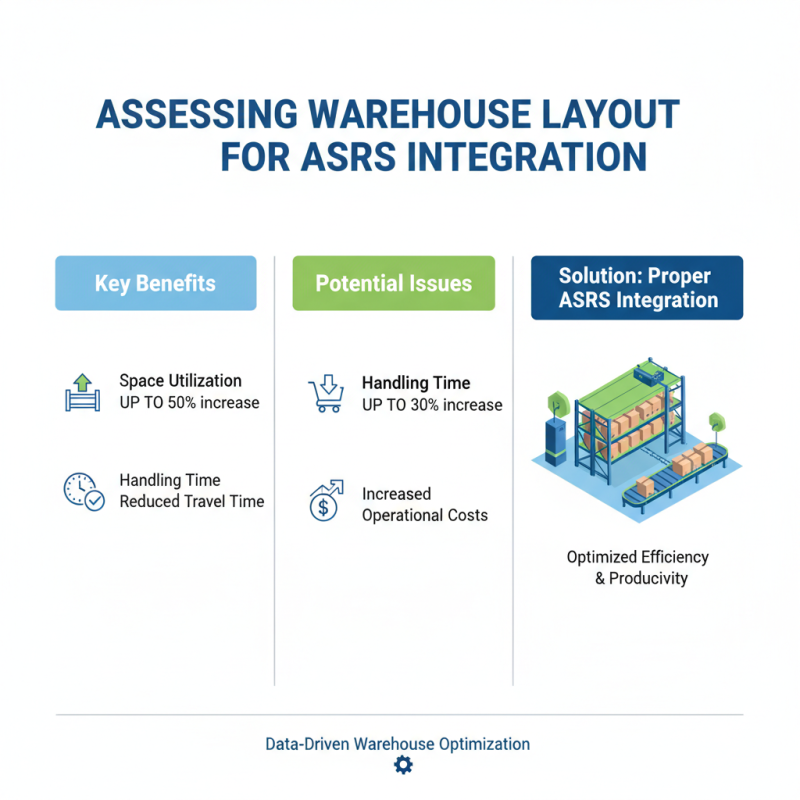
Optimizing warehouse layout for Automated Storage and Retrieval Systems (ASRS) significantly impacts overall efficiency. Proper integration of ASRS can increase warehouse space utilization by up to 50%, as established by industry studies. Efficient layouts minimize travel time for retrieval. Research indicates that inadequate layout planning can lead to a 30% increase in handling time. This inefficiency can affect productivity and increase operational costs.

Designing the layout involves assessing various factors like the type of goods stored and their retrieval frequency. A data-driven approach is essential. Analytics can identify peak traffic zones and potential bottlenecks. For instance, placing high-turnover items closer to the retrieval point can decrease labor hours and enhance workflow. Yet, some companies overlook the importance of continuous layout evaluation. Regular audits reveal inefficiencies that can arise due to changes in inventory.

Integration challenges also exist. Poorly mapped ASRS systems may lead to underperformance, even if the technology itself is sophisticated. A survey conducted by the Warehousing Educational and Research Council highlighted that 65% of warehouses struggled with layout optimization post-ASRS implementation. Addressing these setbacks through iterative design and employee feedback can foster a more adaptable and productive warehouse environment.

Implementing Advanced Technology for ASRS Optimization

How to Optimize ASRS Warehouse Efficiency for Better Productivity?

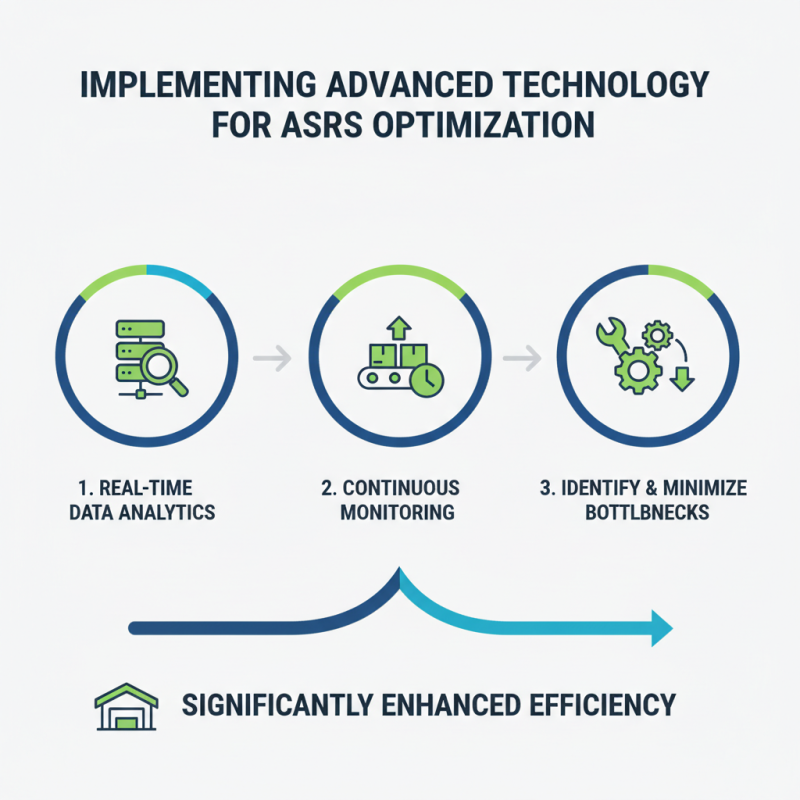
Implementing advanced technology can significantly enhance the efficiency of an Automated Storage and Retrieval System (ASRS) warehouse. One crucial technology is real-time data analytics. This tool allows warehouse managers to monitor inventory levels and track equipment performance continuously. Leveraging data analytics helps identify bottlenecks, thus improving workflow and minimizing delays.

Another effective implementation is the integration of IoT devices. These sensors collect valuable information about storage conditions and equipment status. Real-time alerts on disturbances or malfunctions can aid in quick decision-making. This proactive approach can prevent downtime, making processes run more smoothly.

Tips for optimizing ASRS efficiency include regularly assessing your technology needs. Innovations are continuous; staying updated with the latest tech trends can boost operation effectiveness. Additionally, employee training is vital. Skilled staff understanding new systems can lead to better adaptation and faster problem resolution. Regular feedback loops with your team can reveal potential blind spots that need attention.

Training Workforce for Enhanced ASRS Operations

Training workforce is crucial for optimizing Automated Storage and Retrieval System (ASRS) efficiency. Proper training equips employees with the skills needed to operate these complex systems effectively. According to industry reports, 30% of ASRS failures are linked to human error. Investing in workforce training minimizes these risks. Employees should be trained to understand system controls and basic troubleshooting. This knowledge enhances operational reliability.

Workforce training programs should include regular assessments. These can identify areas requiring improvement. A survey from the Warehouse Education and Research Council indicates that well-trained employees can increase throughput by 25%. Additionally, training boosts employee confidence and morale. Skilled workers are more likely to engage with the system. This engagement leads to innovation and process improvements.

Lack of training can lead to resource wastage. Inadequate understanding of ASRS capabilities might slow down operations. Companies can rethink their training strategies to address these gaps. Regular workshops and hands-on training sessions can keep skills sharp. Frequent updates on emerging technologies can also be beneficial. The goal is to ensure that the workforce is fully prepared to face the challenges of modern warehouse operations.

Optimizing ASRS Warehouse Efficiency: Workforce Training Impact

Monitoring and Analyzing Metrics for Continuous Improvement

Monitoring metrics in Automated Storage and Retrieval Systems (ASRS) is crucial for improving warehouse efficiency. Key performance indicators (KPIs) like order accuracy, retrieval time, and space utilization should be tracked regularly. Collecting data on these metrics allows warehouse managers to identify bottlenecks and inefficiencies. This data-driven approach fosters a culture of continuous improvement, where changes are implemented based on real insights.

Analyzing performance trends over time can reveal important patterns. For instance, if retrieval times spike during specific hours, it may indicate understaffing or system overload. Regular audits and feedback loops should be part of this analysis. Not every metric will show immediate improvement. Some areas may require ongoing adjustments and refinement. Encourage teams to reflect on both successes and setbacks. Keeping communication open ensures everyone is aligned with improvement goals.

To enhance efficiency, consider visualizing metrics with dashboards. Visual tools can simplify complex data, making it easier for staff to grasp critical performance issues at a glance. Metrics should not just be numbers; they need context and interpretation. Celebrate progress, but do not overlook areas needing improvement. This dynamic approach strengthens the overall productivity of the ASRS warehouse.