How to Optimize ASRS System in Warehouse Operations for 2026?
In today's rapidly evolving supply chain landscape, optimizing the ASRS system warehouse is crucial for success. Companies are seeking efficient solutions to meet growing consumer demands. The ASRS system warehouse offers unique advantages, such as enhanced space utilization and increased accuracy in inventory management. However, many warehouses encounter challenges in maximizing these benefits.
As we approach 2026, it is vital to rethink current strategies and explore new technologies. For instance, integrating AI can streamline operations but requires a careful implementation plan. It’s easy to overlook the human element, which can impact overall efficiency. Warehouse staff should be trained to use ASRS systems effectively, yet this aspect is often neglected.
Furthermore, sustainability is becoming increasingly important. Many warehouses still rely on outdated practices that waste resources. Reflection on these areas is necessary for meaningful progress. By addressing these issues, companies can truly harness the potential of the ASRS system warehouse.
Understanding ASRS: Definition and Importance in Warehouse Operations
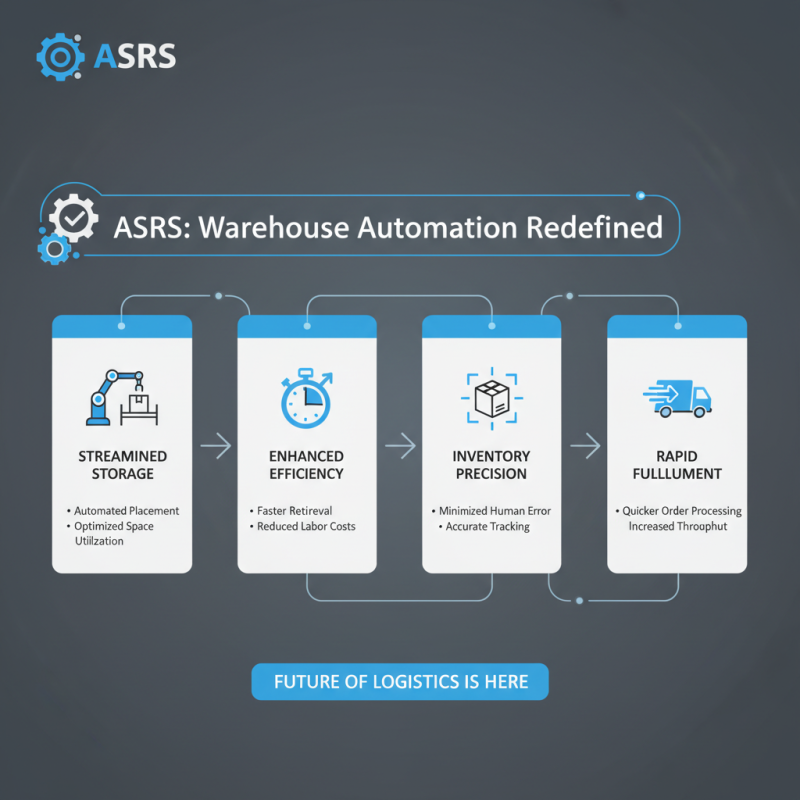
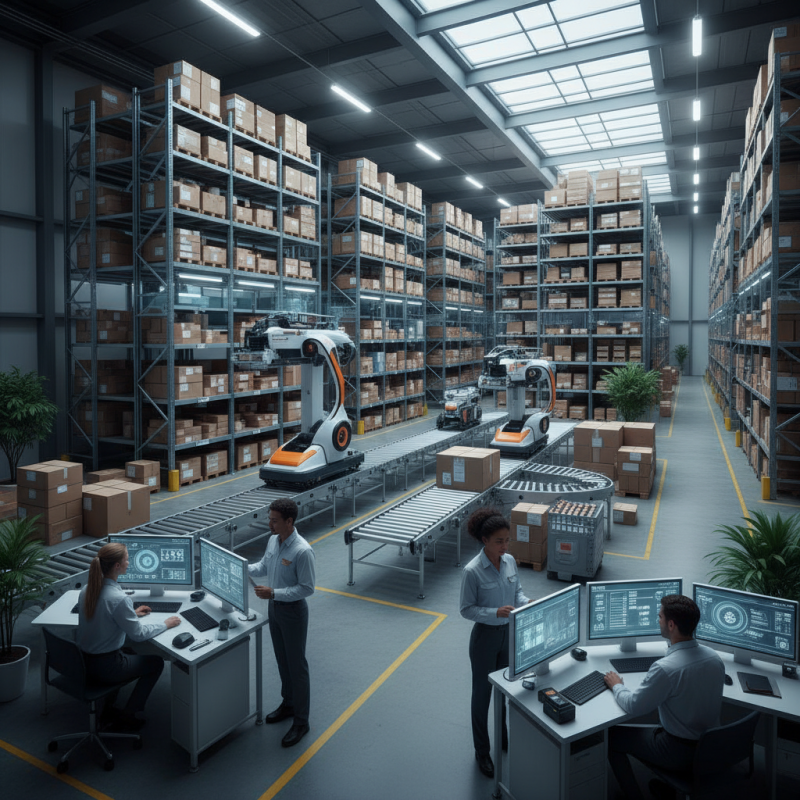
Automated Storage and Retrieval Systems (ASRS) are game-changers in warehouse operations. They streamline the storage process and enhance efficiency. By automating the retrieval of goods, businesses can optimize space and reduce labor costs. ASRS makes it easier to handle inventory with precision. It minimizes human error and speeds up order fulfillment.
Understanding ASRS is vital. It transforms how warehouses operate, yet it's not without challenges. Implementation requires a thoughtful approach. Not all warehouses can adapt readily to this technology. Staff training is essential to ensure smooth operation. Some teams may resist change, highlighting a need for effective management strategies.
A well-implemented ASRS can significantly impact productivity. But it also raises questions about flexibility. Rigid systems can lead to downtime if adjustments are needed. Balancing automation with human oversight is crucial. This helps accommodate unexpected variations and enhances overall warehouse adaptability.
Current Trends in Warehouse Automation and ASRS Technologies
In 2026, warehouse automation is evolving rapidly. Automated Storage and Retrieval Systems (ASRS) are at the forefront of this change. Many warehouses now utilize advanced robotics and AI. These technologies enhance efficiency and accuracy. Workers are less burdened by manual tasks. They can focus on more strategic roles. However, not all systems are perfect yet.
Current trends show a shift towards integration. ASRS is becoming part of larger automation solutions. Data analytics plays a crucial role in optimizing performance. Systems can predict demand more accurately. Yet, some warehouses struggle with implementation. Not every operation can seamlessly adapt. Training employees is essential but often overlooked.
There’s also the need for flexibility. As supply chains evolve, so must the technologies. Modular systems allow for quick adjustments. However, many warehouses remain stuck with outdated setups. The challenge lies in balancing cost and innovation. Investing in new technology is daunting for some. Despite the obstacles, the potential for improved operations is immense. Companies must reflect on their current practices and embrace change.
Warehouse Automation Trends: ASRS System Optimization for 2026
Key Factors for Optimizing ASRS Systems in 2026
As warehouses look toward 2026, optimizing Automated Storage and Retrieval Systems (ASRS) becomes crucial. Efficiency and speed are paramount. One way to enhance performance is through clear communication between systems. Ensure that all components are synchronized. Mismatched signals can lead to delays.
Tips: Encourage staff to conduct regular checks on system performance. Small adjustments can lead to significant improvements. Data-driven decisions help in identifying bottlenecks. It’s vital that operations are monitored closely.
Another key factor is integrating advanced technologies. AI and machine learning can predict inventory fluctuations. These insights help in optimizing storage layouts and retrieval sequences. But remember, not all tech fits every warehouse. Some systems may need re-evaluation.
Tips: Analyze existing inventory movement patterns. Seek solutions that suit your unique challenges. Implementing changes without studying past performance can lead to setbacks. Being flexible in strategy is important for ongoing success.
Implementing Data Analytics for Enhanced ASRS Efficiency
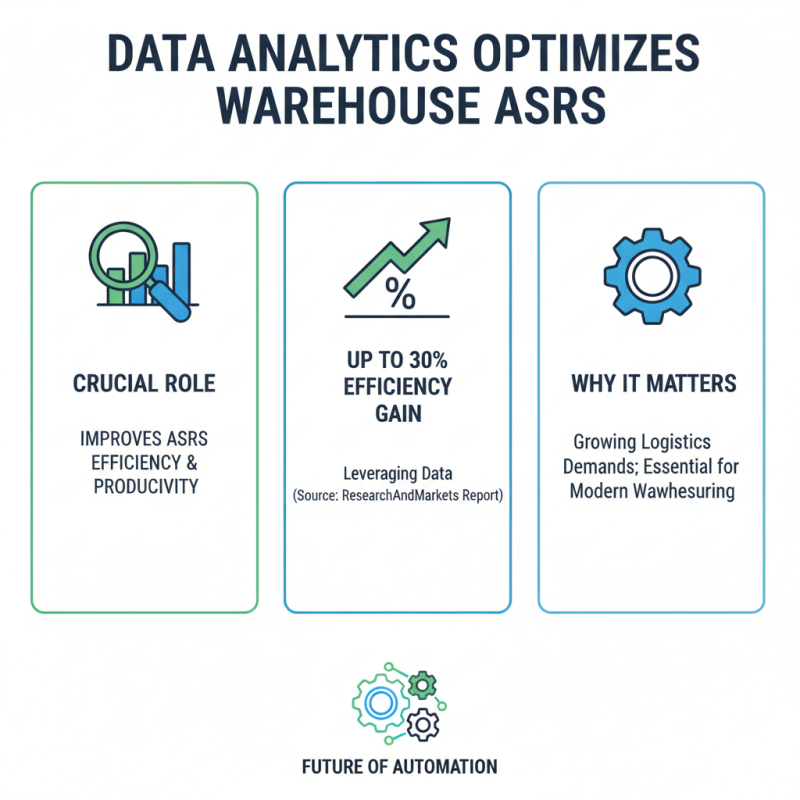
Data analytics plays a crucial role in optimizing Automated Storage and Retrieval Systems (ASRS) in warehouse operations. With warehouse automation on the rise, understanding data can significantly improve ASRS efficiency. According to a recent report by ResearchAndMarkets, companies can increase operational efficiency by up to 30% through effective data utilization. This transformation is vital as logistics demands grow.
Implementing data analytics allows for real-time monitoring of ASRS performance. Analytics can uncover patterns in item retrieval times, storage capacities, and equipment usage. A study by the Warehousing Education and Research Council found that 25% of warehouse inefficiencies stem from poor data management. Without proper analysis, businesses risk falling behind.
However, organizations must confront challenges while integrating data analytics. Many warehouses lack the necessary infrastructure for efficient data collection. Additionally, employee training on analytics tools is often insufficient. This gap can lead to underutilization of available data. Analytics is not a silver bullet. Continuous reflection on strategy and execution is essential for sustained improvement.
Future Innovations and Sustainability in ASRS Design and Operation
As warehouse operations evolve, the automation of storage and retrieval systems (ASRS) is set for a significant transformation. Future innovations focus on creating sustainable designs. Incorporating renewable energy sources, like solar panels, can power ASRS units efficiently. This shift not only reduces carbon footprints but also cuts operational costs in the long run. Advanced robotics could streamline processes further, ensuring faster movements of goods.
However, challenges remain. Many systems still rely heavily on conventional workflows. This can limit the integration of new technologies. For example, the transition from traditional to automated systems can be met with resistance from the workforce. Training is needed for employees to adapt to new tools. Data management also poses obstacles. As systems become more connected, maintaining data security and integrity is vital.
Consideration of eco-friendly materials in ASRS design can enhance sustainability. Yet, these materials may sometimes underperform in durability. Reflecting on cost versus benefit is essential. Reassessing design elements frequently can lead to improvements. As innovation continues, finding a balance between efficiency and sustainability will be crucial.