What is a Machine Tending Robot and How Does It Work?
In today’s manufacturing landscape, the role of a machine tending robot has become crucial. Experts like Dr. Emily Carter, a leading roboticist in industrial automation, emphasize the importance of these machines. "Machine tending robots increase efficiency and improve safety in factories," she states. This highlights how the integration of robotics transforms traditional manufacturing processes.
Machine tending robots automate the loading and unloading of parts in various machining operations. They work alongside CNC machines, lathes, and milling machines. By performing repetitive tasks, they reduce the risk of human error and ensure consistent product quality. However, implementing such technology poses challenges. Not all settings accommodate the needed infrastructure, and initial costs can be high.
Embracing change is never easy. Manufacturers must adapt to new workflows and train their staff. The benefits are significant, but organizations need to be cautious. A thought-provoking balance between technology and human oversight is essential for success. As the market evolves, understanding the intricacies of machine tending robots will be vital for future innovations.
Definition and Overview of Machine Tending Robots
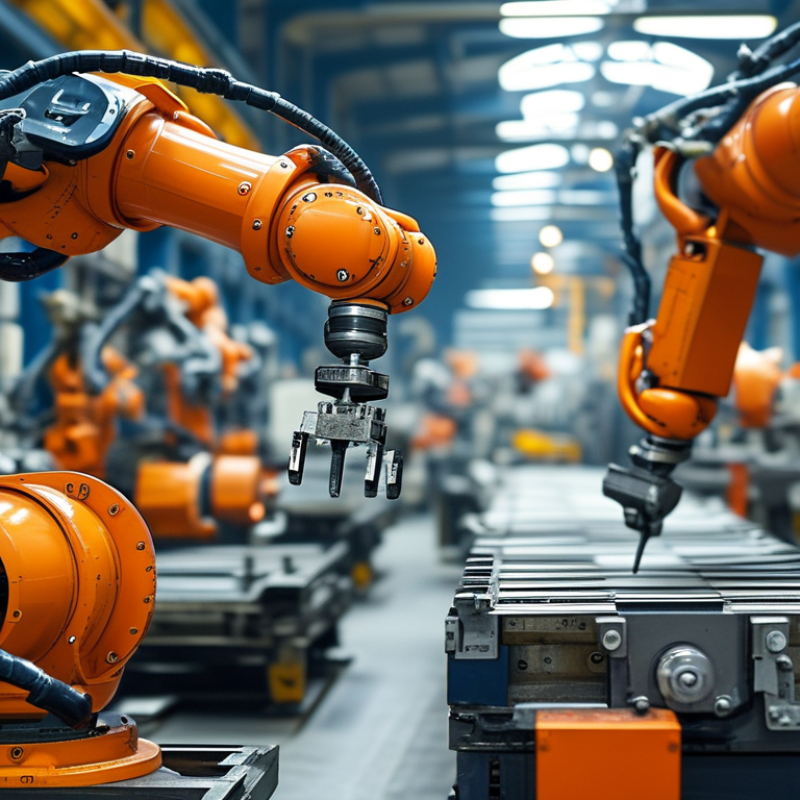
Machine tending robots play a vital role in modern manufacturing. These robots automate the loading and unloading of materials in machines like CNC mills, lathes, and injection molders. By handling repetitive tasks, they enhance efficiency and precision. Workers can focus on more complex duties while robots manage the routine processes.
The operation of machine tending robots involves a few key components. Typically, they include robotic arms, vision systems, and intuitive programming. The robotic arms grasp materials, while vision systems help identify parts and gauge quality. Users program these robots to interact seamlessly with different machines.
Despite their benefits, machine tending robots come with challenges. Programming can be complicated, requiring skilled technicians. Additionally, adapting to various machine types often necessitates custom solutions. Companies must weigh these factors alongside the potential for increased productivity. Balancing technology and human oversight is crucial for success in this area.
Common Applications of Machine Tending Robots in Industry
Machine tending robots play a key role in modern manufacturing. They automate tasks such as loading and unloading materials into machines. This process increases efficiency and reduces human error. Many factories use these robots for repetitive tasks. They handle everything from milling to injection molding.
In the automotive sector, machine tending robots feed parts into CNC machines. They work tirelessly, ensuring that production runs smoothly. An inconsistent supply of parts can slow down operations. However, machine tending robots can adapt to different part sizes. This flexibility is crucial in today's fast-paced industry.
Another common application is in the metalworking industry. Robots perform grinding, polishing, and assembly tasks. They help create high-quality products with minimal waste. Yet, some manufacturers face challenges. Integrating robots into existing systems can require significant investment. Many companies must evaluate their specific needs before implementation.
Common Applications of Machine Tending Robots in Industry
Key Components and Technologies Used in Machine Tending Robots
Machine tending robots play a crucial role in modern manufacturing. They automate the loading and unloading of machines, enhancing productivity. Key components of these robots include robotic arms, vision systems, and sensors. According to a report by the International Federation of Robotics, the use of robotics in manufacturing has increased by over 30% since 2018. This data underscores the rapid adoption of such technology.
Robotic arms are often equipped with end-of-arm tooling. This allows robots to perform precise tasks like placing or holding components. Vision systems enable machines to "see" their environment. They are essential for quality control and accurate positioning. Sensors feedback information to a central system, ensuring safety and efficiency. A report by Gartner found that 75% of organizations believe advanced technologies like robots enhance operational capacity.
Despite these advancements, challenges remain. Integration into existing workflows can be complex. Training staff to work alongside robots is also crucial. Sometimes, technical failures can occur. Companies need to prepare for these scenarios. Flexibility and adaptability in robot programming are necessary. Such realities call for a deeper understanding of automation's potential and limitations.
Step-by-Step Operation of Machine Tending Robots
Machine tending robots are designed to automate processes involved in manufacturing and assembly. Their operation involves several steps that ensure efficiency and precision.
The robot typically starts by identifying the required machine. Sensors help it navigate the environment. Once in position, it prepares to load or unload materials. The robot uses its arm or gripper to handle components. It carefully picks up items, ensuring not to drop or mishandle them. The process should ideally be smooth, but errors can occur. Misalignment or unexpected obstacles can slow down operations.
After handling the parts, the robot may perform quality checks. Cameras or scanners can verify dimensions and ensure quality standards. Data from these checks feeds back to improve future tasks. While machine tending robots enhance productivity, they need regular maintenance. If neglected, their performance may decline. Understanding these potential pitfalls is essential for optimizing their efficiency.
Benefits and Challenges of Implementing Machine Tending Robots
Machine tending robots are gaining traction across various industries. These robots automate the process of loading and unloading parts in manufacturing settings. They can increase productivity and reduce labor costs. However, implementing them comes with both benefits and challenges.
One significant benefit is improved efficiency. Robots can work continuously without breaks, which minimizes downtime. This leads to faster production cycles and increased output. Additionally, they enhance precision. Robots tend to make fewer errors compared to human workers. This consistency can lead to higher product quality. However, transitioning to automated systems can be costly and complex. Companies may face resistance from employees concerned about job security. It requires training and adjustment to workflow processes.
Another challenge is maintenance and troubleshooting. Machine tending robots need regular servicing to ensure optimal performance. Companies must invest in ongoing support and technical expertise. Dependence on technology can also create vulnerabilities. A robot malfunction can halt production, leading to financial losses. Thus, while the benefits of machine tending robots are clear, businesses should carefully consider these challenges before implementation.