What is an Industrial PC and its Benefits for Businesses?
In today's rapidly changing industrial landscape, the role of an Industrial PC is more crucial than ever. According to Dr. Maria Chen, an expert in automation technologies, "Industrial PCs are not just machines; they are the backbone of efficient operations." This statement highlights the importance of Industrial PCs in enhancing productivity and reliability in manufacturing processes.
These powerful computers are designed to withstand harsh environments, ensuring that performance is maintained even under extreme conditions. They can handle complex tasks, from data collection to real-time analysis, which traditional PCs often struggle with. Moreover, the longevity of Industrial PCs can lead to considerable cost savings for businesses. However, it is essential to address that not all manufacturers adopt this technology effectively.
Some companies might overlook the need for proper integration, which can lead to suboptimal performance. Understanding the unique benefits and challenges of Industrial PCs helps businesses make informed decisions. As industries evolve, prioritizing robust systems becomes vital for staying competitive.
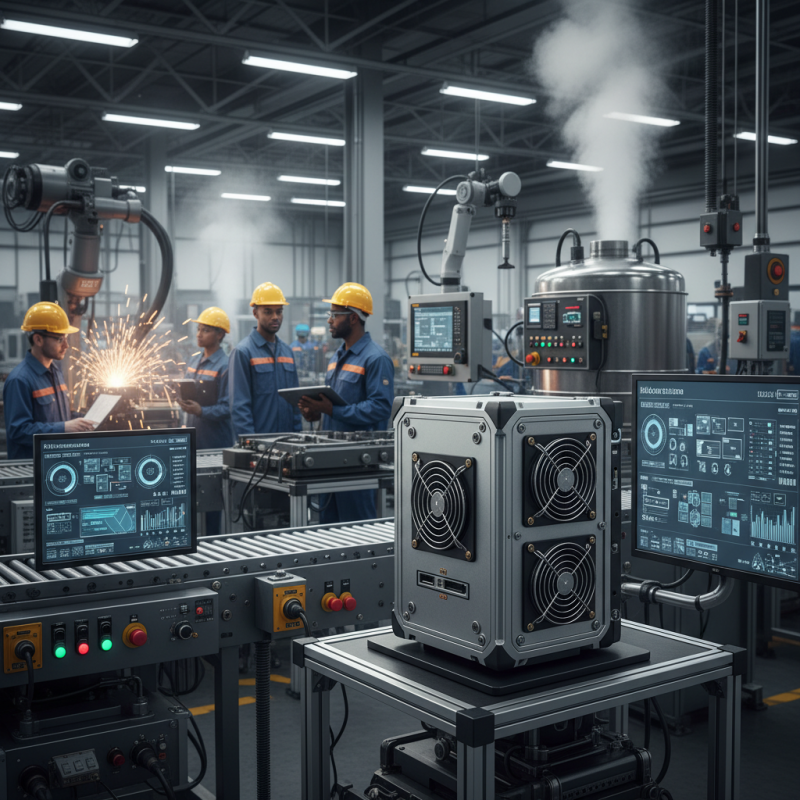
Definition and Overview of Industrial PCs
Industrial PCs are purpose-built computing devices designed for demanding environments. They differ significantly from standard PCs in terms of durability and performance. These machines can operate in extreme temperatures, dust, and vibrations, making them ideal for factories and warehouses. Their robust design ensures a longer lifespan, which is crucial for businesses aiming to minimize downtime.
The key benefits of industrial PCs include reliability and customization. Many industries require specific configurations to meet unique operational demands. Industrial PCs can be tailored with specialized software and hardware. This level of customization ensures that businesses can optimize their processes effectively. However, the initial cost of these devices can be daunting. Many businesses question whether the investment will yield substantial long-term benefits.
Moreover, not all industrial PCs are created equal. Some may not perform well under heavy loads or may lack sufficient connectivity options. Businesses should thoroughly assess their needs and conduct due diligence before making a purchase. Understanding the nuances of these systems is vital for choosing the right one. This reflection on their requirements can prevent costly mistakes down the line.
Key Features Distinguishing Industrial PCs from Standard PCs
Industrial PCs stand out due to their robust design and specific features tailored for challenging environments. Unlike standard PCs, they often possess a higher tolerance for extreme temperatures, humidity, and dust. This durability ensures they can operate continuously without failure. Built with long-term reliability in mind, these systems frequently feature solid-state drives (SSDs) instead of traditional hard drives, further enhancing their lifespan.
Another critical distinction is the range of input and output options available. Industrial PCs tend to support more diverse connectivity options, including serial ports, USB, and Ethernet interfaces. This adaptability allows seamless integration with various industrial equipment and systems. Additionally, many industrial PCs come with extended lifecycle support. This can make them more reliable over time, countering the rapid obsolescence common in standard consumer technology.
However, it's important to acknowledge that not all industrial PCs are created equal. Some may lack the processing power necessary for complex tasks. Businesses should carefully assess their needs before investing. Balancing cost and functionality often requires reflection. Making the right choice is crucial for optimizing operations.
Advantages of Using Industrial PCs in Business Operations
Industrial PCs (IPCs) play a crucial role in optimizing business operations. Their robust build and specialized design make them ideal for challenging environments. They are engineered to withstand high temperatures, vibration, and dust. This durability ensures continuous operation, reducing downtime significantly.
Another notable advantage of IPCs is their high processing power. They manage complex tasks efficiently, making them perfect for automation in manufacturing. This capability leads to increased productivity. Businesses can expect a smoother workflow when using IPCs in their operations. For instance, real-time monitoring of equipment can prevent costly breakdowns.
Tip: When investing in IPCs, consider their compatibility with existing systems. Ensure that the technical specifications meet the operational needs of your business. Regular maintenance is essential too. It helps in prolonging the life of the hardware.
Despite these advantages, some companies may find the initial cost daunting. However, the long-term savings from reduced downtime and increased efficiency often outweigh these initial expenses. A careful evaluation of needs can lead to better decision-making.
Industries That Benefit Most from Industrial PC Implementation
Industrial PCs are becoming essential in various sectors. Their robust design allows them to work in harsh environments. Manufacturing and automation industries gain significant advantages from integrating these devices. They handle demanding applications and withstand extreme temperatures, dust, and vibrations.
In energy and utility sectors, Industrial PCs track operations in real-time. They collect data from various sources, improving efficiency. By doing so, businesses can enhance decision-making processes. Besides, in the healthcare industry, they manage patient information securely. Quick access to data can save lives during emergencies.
**Tips:** Ensure the Industrial PC meets specific industry standards. Research the environment where it will operate. Data security should be a priority, especially in sensitive sectors. Regular updates and maintenance are crucial for reliable performance. It's important to review the device's functionality periodically. This can identify limits and areas for improvement.
Future Trends in Industrial PC Technology and Applications
The landscape of industrial PC technology is rapidly evolving. According to a recent report by Research and Markets, the global industrial PC market is expected to reach approximately $8.7 billion by 2026, growing at a CAGR of 6.9%. This growth is driven by advancements in automation, IoT integration, and the need for durable computing solutions in complex environments. Industrial PCs are becoming vital for operations in manufacturing, transportation, and energy sectors, where reliability and robustness matter significantly.
Emerging trends highlight the increasing integration of artificial intelligence and machine learning into industrial PCs. This shift opens the door to predictive maintenance and enhanced data analytics capabilities. A study from McKinsey indicated that AI can help reduce operational costs by up to 25% in some industries. However, while these technologies promise efficiency, they also raise concerns regarding workforce displacement and the need for retraining. Many companies may find themselves grappling with these changes, tipping the balance between innovation and employee management.
Furthermore, the rise of edge computing is redefining how data is processed. By moving processing power closer to where data is generated, industrial PCs can react in real time. A study from Gartner showed that by 2025, over 75% of enterprise data will be processed outside traditional data centers. Businesses must prepare for this transition, realizing that incomplete adoption could lead to wasted resources and missed opportunities. The interplay of these technologies requires reflection and strategy, ensuring that organizations leverage their benefits while addressing potential drawbacks.