How to Choose the Best Gantry Robot for Your Business Needs?
In today's rapidly evolving manufacturing landscape, selecting the right gantry robot is crucial for optimizing production efficiency. A recent report by MarketsandMarkets predicts the global gantry robot market will reach $4.94 billion by 2027, growing at a significant CAGR. This growth reflects the increasing automation demands across various sectors, especially in automotive and electronics.
However, choosing the ideal gantry robot requires careful consideration of specific business needs. For instance, understanding precision requirements, payload capacities, and workspace dimensions is vital. Companies often overlook the importance of these factors, leading to costly operational inefficiencies. With advancements in AI and machine learning, modern gantry robots can adapt to diverse applications, yet it’s essential to reflect on compatibility with existing systems.
Investing in the right gantry robot isn't just about technology; it encompasses strategic foresight and investment in robust support. Ultimately, making an informed choice entails recognizing both opportunities and potential pitfalls. With the right insights, businesses can leverage gantry robots to enhance productivity and ensure operational resilience.
Understanding the Basics of Gantry Robots and Their Applications
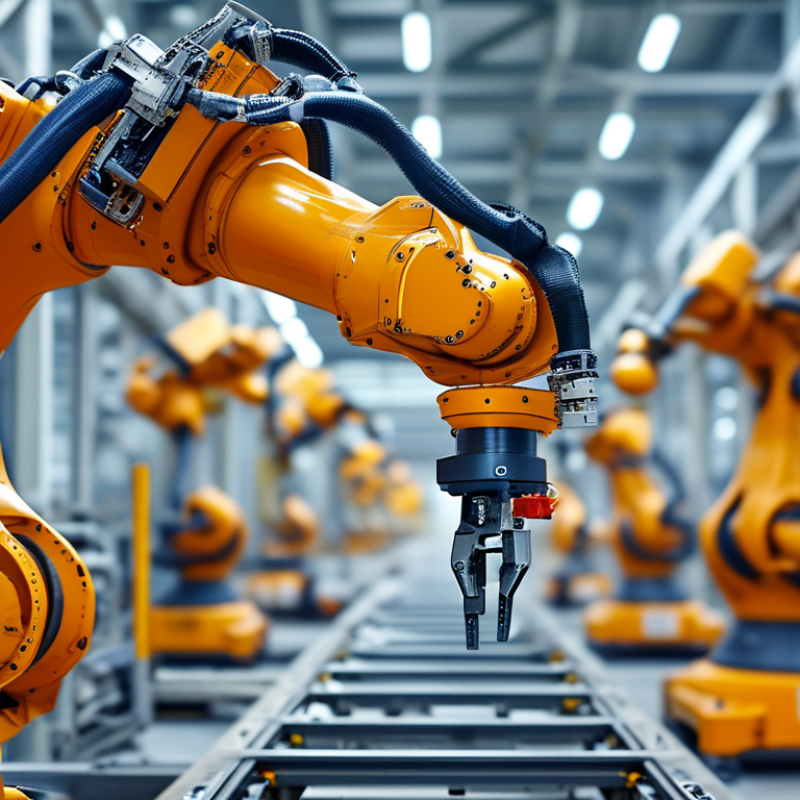
Gantry robots are revolutionizing various industries due to their flexibility and efficiency. They are used in tasks like material handling, assembly, and packaging. According to a report by the International Federation of Robotics, the demand for gantry robots is projected to grow by 20% annually through 2025. This surge indicates their relevance in modern production environments.
These robots operate on a track system, making them ideal for repetitive tasks. They can handle heavy loads while maintaining precision. For instance, in automotive manufacturing, gantry robots streamline assembly processes, improving workflow. Their ability to work in tight spaces also enhances productivity in smaller facilities. A study from McKinsey shows that implementing such automation can lead to a 30% reduction in operational costs.
Despite their advantages, choosing the right gantry robot requires careful consideration. Factors like payload capacity, speed, and workspace must align with business objectives. Companies often face challenges in integrating these robots into existing systems. Not all gantry robots are universally compatible, which can lead to inefficiencies if not addressed properly. Understanding these elements is crucial for making informed decisions.
Identifying Your Business Requirements and Operational Needs
Choosing the right gantry robot hinges on understanding your business requirements and operational needs. Start by evaluating the tasks you want the robot to perform. Are you focusing on assembly, welding, or material handling? Knowing the specific functions helps narrow down options. Consider the payload capacity and the reach you’ll need. For instance, heavy lifting may require a robust design, while precision tasks need a more delicate touch.
It's also essential to assess your workspace. Measure the dimensions and identify obstructions like shelves or machinery. If your area is tight, a compact design may be necessary. Flexibility in movement can be an advantage, especially in dynamic environments. Having a clear workflow blueprint can improve efficiency and reduce costs.
Be wary of over-specifying. While advanced features can be appealing, they may not always translate to meaningful benefits. It's crucial to align your robot's capabilities with the actual needs of your operations. Engage your team in discussions about their experiences and insights. Their perspectives can guide you toward a suitable solution that balances performance and practicality.
Evaluating the Key Features and Specifications of Gantry Robots
Choosing the right gantry robot for your business requires careful evaluation of key features. One critical aspect is payload capacity. According to a recent industry report, nearly 70% of manufacturers prioritize this feature. It directly influences the robot's ability to handle materials. A gantry with insufficient payload capacity can hinder operations, leading to inefficiencies.
Another vital consideration is precision and repeatability. Intricate tasks demand high accuracy. Studies indicate that robots with a repeatability of ±0.1mm significantly outperform others in precision-related applications. This precision can affect overall production quality. Additionally, speed and cycle time are paramount. In fast-paced environments, robots need to work efficiently. The average gantry robot operates at speeds ranging from 0.5 to 2 meters per second. Businesses should analyze their workflow to determine the best fit.
Lastly, software compatibility is often overlooked. Integrating new technology with existing systems can be challenging. Compatibility ensures smooth operation and minimizes downtime. Understanding these features is essential when selecting the best gantry robot to meet your specific needs.
Comparing Different Gantry Robot Models and Manufacturers
When selecting a gantry robot, knowing the differences in models and manufacturers is essential. Various gantry robots offer unique features tailored for specific applications. Some are ideal for high-speed pick-and-place tasks, while others excel in precise assembly work. According to industry reports, around 40% of businesses prioritize efficiency and speed when evaluating robot capabilities.
In terms of construction, consider the materials used. Aluminum frames are lightweight and offer good rigidity, whereas steel structures provide enhanced durability but add weight. Additionally, the payload capacity varies significantly. A report by Robotics Industry Association highlights that many businesses overlook this critical factor and end up selecting robots that are ill-suited for their specific tasks, leading to inefficiencies.
Many manufacturers provide extensive support and resources. However, the level of documentation and available training varies greatly. Sometimes, companies find themselves inadequately prepared to maintain these systems after installation. Many users report that insufficient initial training results in misoperational issues. Understanding these nuances can make a significant difference in long-term productivity when investing in gantry robots.
Budgeting and Cost Considerations for Your Gantry Robot Purchase
When considering the purchase of a gantry robot, budgeting is crucial. Start by assessing your business’s needs and production goals. It’s essential to gather quotes from multiple suppliers. This helps in understanding the price range you can expect. Remember, the initial cost is just one part of the total investment.
Maintenance and operating costs should also play a role in your decision. A cheaper robot may lead to higher maintenance expenses down the line. Calculate potential downtime and how it might impact productivity. Look at the longevity of the robot and its spare parts availability. Investing in a quality machine can sometimes save money over time.
It’s also worth reflecting on the hidden costs, such as installation and training. Allocating funds for skilled labor is important. You may find that low-cost robots come with a steep learning curve. This can draw resources away from your core operations. Ensure that your budget accounts for all aspects of the purchase to avoid surprises.