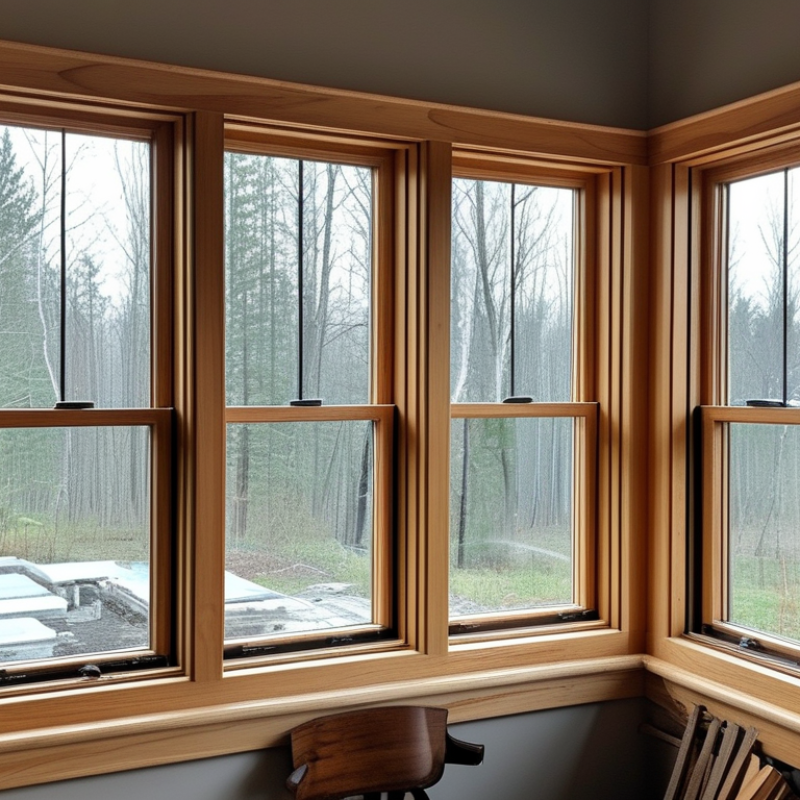
What is the Best Wood for Wooden Window Frames?
Choosing the right wood for Wooden Window Frames is essential for durability and aesthetics. Different types of wood offer unique benefits and potential drawbacks. A well-informed choice can enhance the beauty and longevity of your windows.
Softwoods, like pine, are popular due to their availability and cost. However, they may require more maintenance over time. On the other hand, hardwoods, such as oak, provide greater strength and resistance to warping. This makes them ideal for long-term use, albeit at a higher price.
Ultimately, the best wood for wooden window frames depends on your specific needs. Factors like climate, budget, and design come into play. Each wood type has its merits, but it’s vital to weigh these against potential issues. A thoughtful selection will lead to lasting satisfaction with your window investment.
Factors to Consider When Choosing Wood for Window Frames
Choosing the right wood for window frames involves several critical factors. Durability is paramount. Some woods can warp or rot over time. Cedar, for instance, is naturally resistant to decay, while pine may require treatment. Think about your local climate. Humidity and temperature fluctuations can affect wood performance. This means the choice might vary based on where you live.
Aesthetic appeal is another consideration. Different wood types possess unique grains and colors. Oak has a distinct pattern, while maple offers a smooth finish. Make sure to align your selection with your home’s overall design. Cost also plays a significant role. High-quality woods like mahogany can be expensive but may last longer. Reflect on your budget and long-term needs when making a decision.
Sustainability is increasingly important. Look for woods sourced from responsibly managed forests. This not only helps the environment but can also enhance your home's value. Lightweight woods are easier to work with, but they might lack the strength of denser varieties. Weigh your options carefully. Balancing aesthetics, durability, and cost can be challenging yet rewarding.
Common Types of Wood Used for Window Frames and Their Properties
When selecting wood for window frames, several types stand out for their unique properties. Pine is popular for its affordability and ease of work. It's lightweight and offers decent insulation, making it a practical choice for many homeowners. However, it may not withstand moisture as well as other woods, which could lead to warping in humid climates.
Another excellent option is Douglas fir, known for its strength and durability. It's often used in commercial buildings, demonstrating its resilience. This wood also has a low shrinkage factor, meaning it maintains its shape well over time. Some experts suggest that Douglas fir's stability makes it an ideal choice for larger frames.
For those seeking a more upscale aesthetic, mahogany is hard to beat. Its rich color and fine grain add elegance and depth to any window. Mahogany also resists rot and is naturally durable, making it a long-lasting option. However, it comes at a higher price point, which might not suit every budget.
**Tips:**
- Consider your local climate when choosing wood.
- Always check for certifications to ensure sustainability.
- Recall that maintenance will be necessary to preserve the wood's appearance and integrity.
Properties of Common Woods Used for Window Frames
Comparative Analysis of Durability in Different Wood Species
When considering the best wood for window frames, durability is a key factor. Different wood species offer varied resistance to decay, insects, and the elements. For instance, mahogany and oak are well-known for their strength and longevity. They withstand harsh weather conditions and retain their beauty over time. However, these woods may be more expensive and can pose sustainability issues.
On the other hand, pine is a common choice for many, given its availability and cost-effectiveness. While it is easier to work with, it is more susceptible to warping and damage. Thus, selection is not just about price; it requires careful consideration of the environment. Each species has advantages and downsides. Mistakes can happen, like picking a wood that doesn’t suit the climate.
In the end, evaluating wood not just through cost but durability is essential. Many overlook the long-term impact of their choices. Reflecting on these factors can lead to smarter decisions. Balancing quality with cost will ultimately yield the best results for window longevity.
Cost Considerations for Various Wood Types in Window Frame Construction
When constructing wooden window frames, cost considerations depend heavily on the type of wood chosen. Common choices include pine, oak, and mahogany. According to a report by the National Wood Window Association, pine is the most affordable option, usually priced at $2 to $4 per board foot. It is lightweight and easy to work with, making it popular for budget projects. However, its durability may be questioned in harsher climates.
On the other hand, oak, with prices ranging from $5 to $10 per board foot, offers a balance of strength and aesthetics. It is more resistant to wear and tear but requires regular maintenance to prevent decay. Mahogany stands out as a premium choice, costing between $8 to $15 per board foot. Its resistance to moisture and beautiful grain make it ideal for high-end applications. However, its high cost might limit accessibility for some homeowners.
Evaluating your budget is essential. While cheaper woods can save money upfront, they may incur higher replacement costs sooner. An industry survey indicated that most homeowners overlook the long-term implications of wood selection, often leading to unforeseen expenses. Thus, it’s crucial to consider both initial costs and longevity when selecting wood for window frames.
Environmental Impact of Sourcing Different Types of Wood for Windows
Sourcing wood for window frames has significant environmental implications. Different types of wood vary in sustainability practices. Some woods come from well-managed forests, while others might contribute to deforestation. The impact extends beyond mere aesthetics.
Choosing hardwoods like oak or maple can be tempting due to their durability. However, these species may face overharvesting issues. Softwoods, such as pine, are often more sustainable. Yet, they might require more treatment to resist decay. This could lead to additional chemicals entering your home environment.
Recycled wood is an increasingly popular option. It helps reduce waste but may lack the structural integrity of new wood. Ultimately, the decision involves balancing aesthetics and sustainability. Each wood type invites reflection on its sourcing and lifecycle. Make sure to consider these factors in your choice of window frames.
What is the Best Wood for Wooden Window Frames? - Environmental Impact of Sourcing Different Types of Wood for Windows
| Wood Type | Durability (Years) | Environmental Impact | Maintenance Required | Cost (per board foot) |
| Pine | 15-30 | Moderate | Low | $3-$5 |
| Oak | 30-50 | Low | Medium | $5-$10 |
| Cedar | 20-40 | Low | Medium | $4-$6 |
| Mahogany | 50-100 | Very Low | Low | $10-$20 |
| Teak | 50-100 | Very Low | Low | $15-$25 |