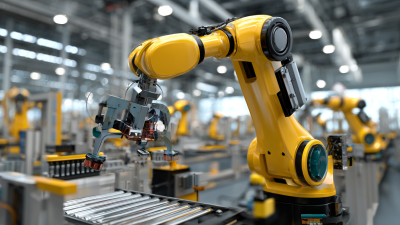
What are the Best Pick and Place Robots for Efficient Automation?
In today's fast-paced industry, efficiency is key. The need for automation has led to an increase in the use of pick and place robots. These robots streamline processes, reducing labor costs and improving productivity. Their ability to quickly and accurately handle items makes them essential in various settings.
However, not all pick and place robots are created equal. Selecting the best options requires understanding different applications and environments. Various designs and technologies offer specific advantages, like speed or precision. Evaluating these factors can be challenging for companies.
A reliable pick and place robot can significantly transform operations. Yet, businesses often overlook maintenance and integration. These aspects are crucial for maximizing the return on investment. Choosing the right robot isn’t solely about specifications; it’s also about ensuring ongoing performance and adaptability.
Overview of Pick and Place Robots in Automation Industry
The automation industry heavily relies on pick and place robots for enhancing efficiency. These robots are crucial in tasks like packaging, sorting, and assembly. According to a recent report, the demand for pick and place robots is expected to grow at a CAGR of 14% over the next five years. This growth is fueled by the increasing need for automation in manufacturing processes.
Pick and place robots improve workflow by reducing human error and speeding up production rates. They excel in tasks requiring precision, such as placing components on assembly lines. However, challenges remain. These robots can struggle with adapting to varying product sizes and shapes. Investing in advanced vision systems may help overcome these issues. Additionally, proper integration into existing systems often requires expert knowledge.
**Tip:** Always assess the specific needs of your production line. Not all pick and place robots are created equal. Consider factors such as speed, payload capacity, and workspace before making a decision.
While automation offers many benefits, it's important to remain cautious. Implementing new technology can lead to unexpected downtime. Regular training for staff will ease the transition and ensure seamless operation. Embracing pick and place robots is promising but may require a reevaluation of current practices.
Key Features to Consider for Efficient Pick and Place Robots
When choosing efficient pick and place robots, several key features deserve attention. The robot's speed is crucial; faster robots enhance productivity in busy environments. Look for robots with high cycle rates for optimal throughput. Additionally, precision is essential. A robot that malfunctions occasionally can disrupt operations. Assess the accuracy specifications to ensure the robot meets production requirements.
Another important aspect is the robot's payload capacity. Understanding the weight it can handle is vital for smooth operations. If the robot cannot manage your materials, the investment may become ineffective. Also, consider the versatility of the robot. A unit capable of handling various items increases its utility in different tasks. Compatibility with various tools can enhance functionality.
Lastly, don’t overlook the ease of programming. Complex systems may need higher initial investments in training and maintenance. User-friendly interfaces reduce downtime and speed up deployment. However, potential buyers should reflect on whether their team can adequately manage the technology. Finding balance is vital for sustained improvement in automation processes.
What are the Best Pick and Place Robots for Efficient Automation?
| Robot Model |
Payload Capacity (kg) |
Reach (mm) |
Speed (cycles/min) |
Precision (mm) |
Application |
| Model A |
5 |
700 |
15 |
0.1 |
Packaging |
| Model B |
10 |
900 |
12 |
0.05 |
Electronics Assembly |
| Model C |
15 |
1200 |
10 |
0.15 |
Food Processing |
| Model D |
8 |
600 |
20 |
0.2 |
General Assembly |
Top Manufacturers of Pick and Place Robots in 2023
In 2023, the landscape of pick and place robots is evolving rapidly. Companies are now prioritizing efficiency and flexibility in their automation solutions. Leading manufacturers focus on user-friendly interfaces and higher precision rates. These robots find applications in diverse sectors, including electronics, food, and packaging. Their adaptability to different tasks and environments enhances operational effectiveness.
When selecting a pick and place robot, consider its payload capacity and speed. Ensure it meets your production needs. Evaluating your workspace layout is crucial. Space constraints can influence the robot's configuration. Customizing robot programming for specific tasks can lead to better results. Testing its performance with varied products is often overlooked. This trial phase is vital.
Don’t forget to factor in the support and resources available. A manufacturer offering comprehensive training and technical support is invaluable. Sometimes, the more advanced systems can be overwhelming. It’s essential to ensure your team is ready for the transition. Regular maintenance is key to avoiding downtime. Reflections on past implementations help in refining processes, improving your automation journey.
Future Trends in Pick and Place Robot Technology and Market Growth
The realm of pick and place robots is evolving rapidly. Recent reports indicate that the global market for these robots is projected to reach $5 billion by 2027, growing at a CAGR of 12%. This surge highlights the increasing demand for automation across various sectors, such as manufacturing, logistics, and food processing.
Experts note that advances in artificial intelligence and machine learning are key drivers of this growth. These technologies enable robots to learn from their environments. They improve accuracy and efficiency in placing items. However, some challenges remain. Issues like integration with existing systems and the need for workforce retraining are crucial considerations for businesses looking to invest in automation.
Another emerging trend is the adoption of collaborative robots (cobots). Unlike traditional robots, cobots are designed to work alongside humans safely. This collaboration can enhance productivity but also requires careful planning to avoid overlaps in tasks. As companies navigate these changes, the focus should be on creating a seamless integration between human and robotic efforts for optimized workflows.
Best Pick and Place Robots for Efficient Automation