Top Benefits of Using Pick and Place Robots in Automation Processes?
In today's fast-paced automation landscape, the integration of pick and place robots has transformed operational efficiency. Dr. Emily Zhang, a leading expert in robotics, states, “Pick and place robots are not just tools; they are game-changers in manufacturing.” This highlights how these robots enhance productivity while reducing human error.
Adopting a pick and place robot can streamline various processes. For instance, they handle picking items from conveyor belts and placing them in designated locations. This not only saves time but also minimizes injuries that can occur with manual labor. However, there are some challenges. Initial costs can be high, and training staff to manage these robots is essential yet time-consuming.
Despite these hurdles, the advantages are compelling. A properly utilized pick and place robot increases output and consistency. Implementing such technology may cause disruption, but the long-term benefits are significant. Industries adopting this automation see improved precision and greater workforce satisfaction. With careful planning and investment, the potential of pick and place robots can be fully realized.

Understanding Pick and Place Robots in Automation
Pick and place robots are making waves in automation. They are versatile machines used in various industries. These robots can handle tasks like assembling, packaging, and quality control. According to a recent industry report, the global market for pick and place robots is expected to reach $3.5 billion by 2025, highlighting their growing importance.
These robots improve efficiency and reduce errors. With a typical speed of 60 picks per minute, they outpace human workers in many scenarios. In a factory setting, their accuracy minimizes product damage. However, proper programming and regular maintenance are crucial. Lack of training may lead to operational shortcomings, raising concerns about reliability.
Despite their advantages, challenges exist. Integration into existing workflows can be complex. Standardization of parts is often necessary for compatibility. Many companies still hesitate due to initial costs or fear of job displacement. Yet, the long-term financial benefits often outweigh these concerns. The data suggest that companies using these robots see productivity increases of up to 25%. Companies must weigh these factors carefully in their automation strategies.
Key Advantages of Implementing Pick and Place Robots
Pick and place robots are transforming automation processes in various industries. They are designed to grab items and place them accurately. This technology reduces the reliance on manual labor. It also enhances efficiency in repetitive tasks. By minimizing human error, these robots improve product quality. They quickly adapt to different tasks, boosting flexibility on the production line.
One significant advantage is their ability to operate in challenging environments. High-speed operations are possible without getting tired. This consistency contributes to increased output. However, implementing these systems can present challenges. The initial cost of deployment is often high. Additionally, staff may need retraining to work alongside these robots.
Incorporating pick and place robots aids in reducing labor costs over time. Companies can allocate resources more efficiently. Yet, there may be hesitation in fully trusting robots for critical tasks. As organizations weigh risks and rewards, careful analysis is key. Solutions must align with specific operational goals for maximum benefit.
Enhanced Efficiency and Speed in Production Lines
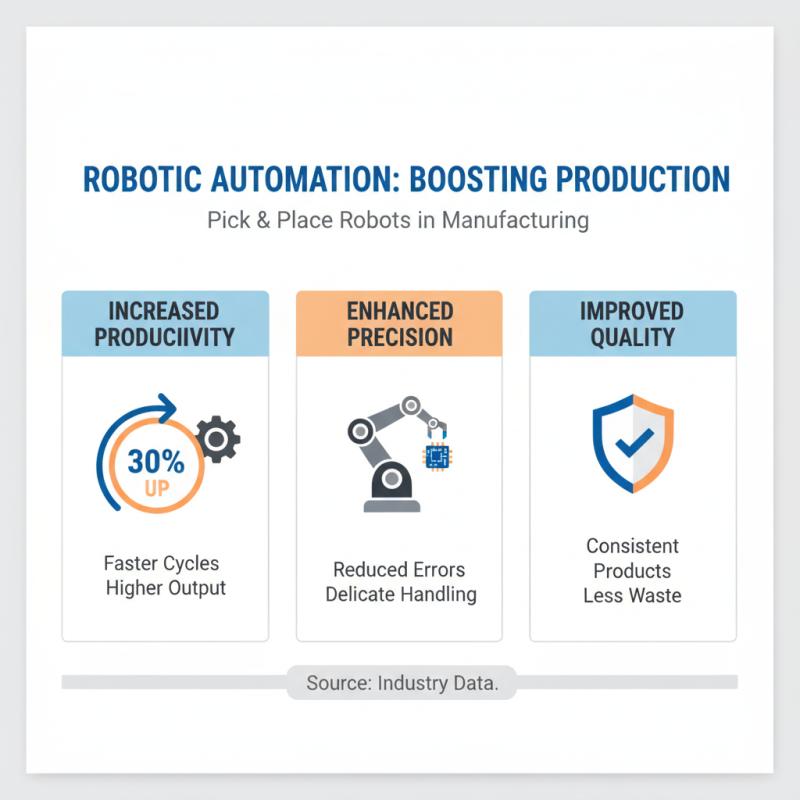
The integration of pick and place robots in production lines transforms efficiency and speed. According to industry data, automation can increase productivity by up to 30%. These robots operate with remarkable precision. They can handle delicate components without damage. Reduced error rates enhance overall product quality.
Production speed benefits significantly from these robots. They can complete tasks at a much faster rate compared to human workers. For instance, a study indicated that robots could perform pick and place operations three times faster than manual methods. Despite these advantages, there are challenges. Initial setup costs and maintenance can be significant. Companies often need time to adapt their processes. Worker retraining is necessary, influencing productivity temporarily.
Moreover, not all tasks are perfectly suited for automation. Complex assembly operations may still require human intervention. Balancing automation and manual processes can be tricky. Businesses must analyze their specific needs carefully. Automation is not always the silver bullet that it seems. Experimentation and adjustment often lead to the best outcomes, as each production line has unique requirements.
Improved Precision and Accuracy in Operations
Automation processes benefit significantly from using pick and place robots. Their ability to enhance precision and accuracy is remarkable. These robots can maneuver with extreme care, minimizing errors in various operations, especially in assembly lines.
Consider a scenario where components require exact placements. Even a slight deviation can lead to costly mistakes. Pick and place robots excel in this aspect. They utilize advanced sensors and algorithms to ensure accurate positioning. Yet, it's worth recognizing that integrating these robots may introduce complexities. Human operators might need time to adapt to changing workflows.
Mistakes can still occur. Sometimes, programming errors lead to misplacements. Regular maintenance is crucial to keep these robots functioning optimally. Companies must invest time in training to maximize their potential. Despite these challenges, the push for improved precision offers undeniable benefits. The continuous evolution of pick and place technology holds exciting possibilities for future automation.
Cost Savings and ROI from Automation with Robots
In today's competitive landscape, automation is vital for efficiency. Cost savings from implementing pick and place robots can be significant. These robots streamline assembly and packaging processes, minimizing labor costs. Businesses can reduce errors and injuries, leading to fewer operational disruptions. Automation leads to improved productivity, but challenges still exist.
Initial investment in robotics can be daunting. Training staff to work alongside robots requires time and resources. It’s essential to assess workflow before integration. Not every process may benefit from automation. A careful evaluation is crucial for optimizing ROI. Consideration of ongoing maintenance costs cannot be overlooked as well.
Despite the challenges, the potential for cost-effectiveness is strong. Companies can balance high upfront costs with long-term savings. Enhanced productivity often translates into quicker production times and faster delivery. Assessing key performance indicators after deployment is necessary. This reflection ensures the integration delivers the promised returns.
Top Benefits of Using Pick and Place Robots in Automation Processes
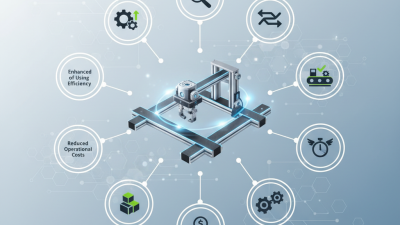
This chart illustrates the top benefits of using pick and place robots in automation processes, highlighting aspects such as cost savings, increased efficiency, and improved precision, showcasing their significant impact on ROI.