Why Is Automated Storage Essential for Modern Businesses?
In today's fast-paced and technologically advanced marketplace, businesses face the challenge of optimizing their operations to enhance efficiency and reduce costs. Automated storage has emerged as a critical component in achieving these objectives, allowing organizations to streamline their inventory management and logistics processes. According to a report by ResearchAndMarkets, the global automated storage market is expected to grow significantly, reaching an estimated value of over $11 billion by 2026, driven by the increasing need for space optimization and labor efficiency.
The integration of automated storage solutions enhances operational capabilities, enabling businesses to quickly adapt to changing demands. A study by Gartner indicates that companies that implement automation in their storage and retrieval systems can reduce order fulfillment times by up to 50%, while also minimizing inventory inaccuracies and associated expenses. As e-commerce continues to flourish, the reliance on automated storage has become essential. This technology not only supports scalability but also ensures that organizations remain competitive in an ever-evolving business landscape, fostering a more productive and responsive supply chain.
In summary, the rising adoption of automated storage is a testament to the necessity for modern businesses to leverage innovative solutions that address operational inefficiencies. As the industry continues to evolve, it is vital for companies to invest in these technologies to meet the growing demands for speed, accuracy, and overall customer satisfaction.

The Evolution of Storage Solutions in Business Operations
The evolution of storage solutions in business operations has been remarkable, reflecting the rapid advancements in technology and changing market demands. Traditionally, businesses relied on physical storage spaces to manage their inventory and documentation, which often led to inefficiencies and increased operational costs. However, with the advent of automated storage systems, organizations have streamlined their processes significantly. According to a report by the American Production and Inventory Control Society (APICS), implementing automation in warehouse storage can reduce labor costs by up to 30% while increasing inventory accuracy and retrieval speed.
As businesses continue to embrace digital transformation, cloud storage solutions have also seen a dramatic increase in adoption. A report by Gartner indicated that by 2025, more than 85% of organizations will fully rely on cloud services for their data management and storage needs, compared to just 30% in 2020. This shift not only enhances accessibility and collaboration among teams but also provides robust data security features that protect critical business information. Consequently, the integration of automated storage and cloud solutions has allowed businesses to scale operations, reduce overhead costs, and respond more swiftly to changing market conditions, making these solutions essential for modern business success.
Why Is Automated Storage Essential for Modern Businesses? - The Evolution of Storage Solutions in Business Operations
| Dimension |
Traditional Storage Solutions |
Automated Storage Solutions |
Benefits |
| Space Utilization |
50% average utilization |
Up to 85% utilization |
Maximized space efficiency |
| Speed of Access |
Manual retrieval, 5-10 minutes |
Automated retrieval, < 1 minute |
Increased operational efficiency |
| Error Rate |
5-10% human error |
Less than 1% error |
Enhanced accuracy |
| Labor Costs |
High due to manual processes |
Reduced with automation |
Cost savings |
| Scalability |
Limited by physical space |
Easily scalable |
Supports business growth |
Key Features of Automated Storage Systems
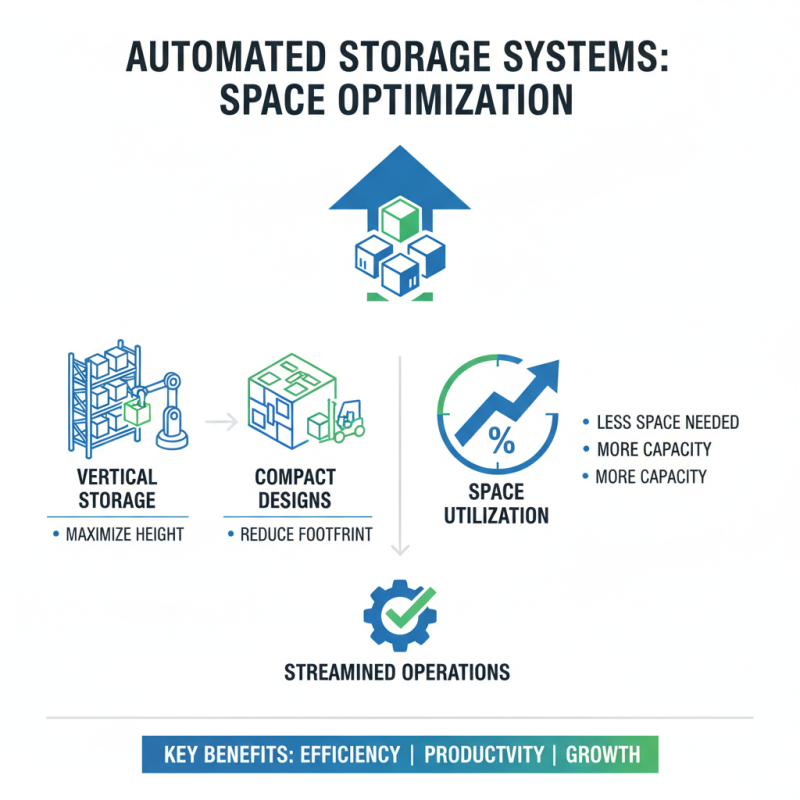
Automated storage systems are revolutionizing the way businesses manage their inventory and streamline operations. One of the key features of these systems is their ability to optimize space utilization. With vertical storage solutions and compact designs, automated systems can significantly reduce the footprint required for traditional shelving units. This not only enhances the overall efficiency of warehouse operations but also allows businesses to maximize their storage capacity without needing additional square footage.
Another vital aspect of automated storage is the integration of advanced technologies such as robotics and software automation. These systems can quickly retrieve and store items with precision, minimizing picking errors and reducing the time spent on manual tasks. The incorporation of inventory management software keeps track of stock levels in real-time, enabling businesses to maintain accurate records, forecast demand, and reorder supplies seamlessly. This technological synergy leads to improved operational efficiency, enabling modern businesses to meet customer demands more effectively and maintain a competitive edge.
Benefits of Automated Storage for Operational Efficiency
Automated storage systems are becoming indispensable for modern businesses, primarily due to their significant contributions to operational efficiency. According to a report by the Warehousing Education and Research Council (WERC), organizations that implement automated storage solutions can reduce picking time by up to 75%. This remarkable improvement stems from the streamlined processes that these systems offer, allowing for faster retrieval and management of inventory. The integration of automation not only minimizes human error but also enhances the overall throughput of warehousing operations, leading to increased productivity.
Moreover, automated storage solutions can substantially improve space utilization within facilities. A study published by the International Journal of Production Research indicates that companies implementing systems like automated storage and retrieval systems (AS/RS) can achieve space savings of 30% to 50%. By maximizing vertical storage and optimizing the organization of goods, businesses can significantly reduce overhead costs associated with real estate and inventory management. This efficient use of space is critical in today's market where operational costs directly influence profitability. As companies continue to navigate the complexities of supply chain management, the role of automated storage in fostering operational efficiency cannot be overstated.
Benefits of Automated Storage for Operational Efficiency
Impact of Automated Storage on Inventory Management
Automated storage systems have revolutionized the way businesses manage their inventory. By streamlining storage and retrieval processes, these systems enhance the accuracy and efficiency of inventory management. In a fast-paced business environment, manual inventory tracking can lead to errors, missed opportunities, and increased operational costs. Automated storage solutions reduce these risks by providing real-time data and optimizing warehouse space, ultimately leading to better inventory visibility and control.
Tips: When considering an automated storage system, assess your business's specific needs, including the volume of items managed and the frequency of stock movement. Tailoring the system to your requirements can significantly improve your inventory turnover and minimize excess stock. Additionally, ensure that your staff is adequately trained to utilize the system for maximum efficiency.
Furthermore, automated storage solutions often incorporate advanced technologies such as barcode scanning and inventory management software, which enhance data accuracy. This enables businesses to make informed decisions regarding stock levels and reordering processes. A well-implemented automated system not only saves time but also supports better customer service by ensuring that products are readily available, therefore preventing stockouts and backorders.
Tips: Regularly audit your inventory and assess the performance of your automated system. This helps identify areas for improvement and ensures that you are getting the best return on your investment. Embracing continuous improvement in your inventory management processes is key to staying competitive in today's market.
Future Trends in Automated Storage Technology for Businesses
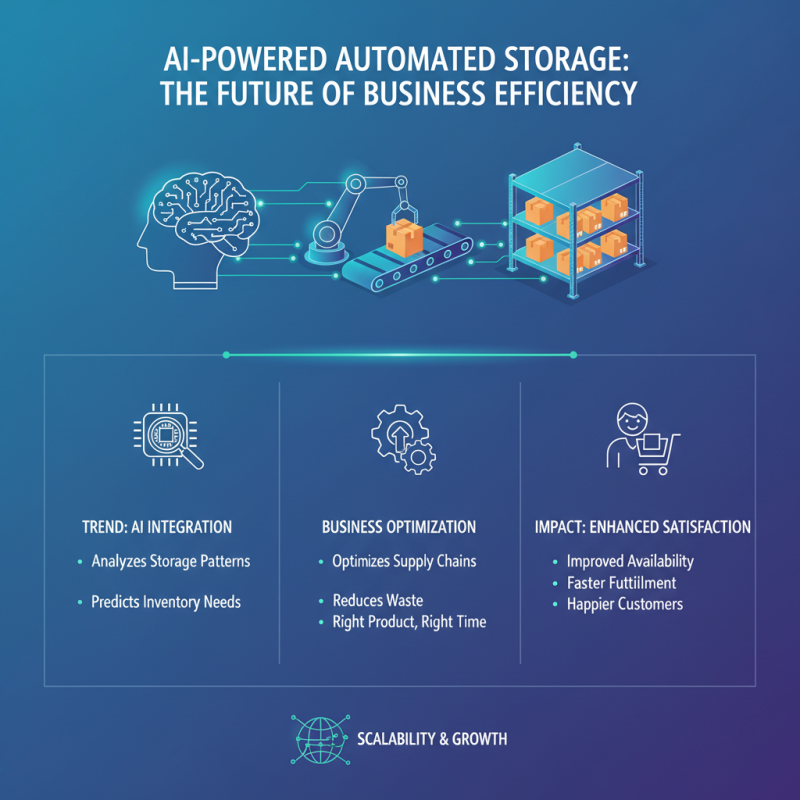
Automated storage technology is swiftly evolving, becoming a cornerstone for modern businesses aiming for efficiency and scalability. One of the most significant trends shaping this landscape is the integration of artificial intelligence (AI) into storage systems. AI-driven solutions can analyze storage patterns and predict inventory needs, allowing businesses to optimize their supply chains. This smart technology helps reduce waste and ensures that businesses have the right products available at the right time, enhancing overall customer satisfaction.
Another noteworthy development is the rise of cloud-based storage solutions that offer flexibility and accessibility. These systems allow businesses to manage inventory remotely, making it easier to adapt to fluctuating market demands. With cloud storage, companies can effortlessly secure their data while also ensuring that it is retrievable anytime, anywhere. This, in turn, supports seamless collaboration among teams, irrespective of their geographical locations.
Tips: When considering automated storage options, businesses should prioritize scalability to accommodate future growth. Investing in adaptable systems can save costs in the long run and help avoid overhauls. Additionally, exploring AI capabilities can provide valuable insights into inventory management, ultimately leading to smarter decision-making and improved operational efficiency. Remember to assess the security features of cloud solutions to protect sensitive data and maintain compliance with regulations.