What is ASRS Systems and How Do They Revolutionize Warehouse Operations
Automated Storage and Retrieval Systems (ASRS systems) have emerged as a cornerstone technology in modern warehouse operations, fundamentally shifting how goods are stored and retrieved. According to a recent report by Research and Markets, the global ASRS market is projected to grow at a compound annual growth rate (CAGR) of 10.5% from 2022 to 2030, reflecting the growing demand for efficiency and productivity in warehouse logistics. With the rise of e-commerce and the increasing expectations for rapid order fulfillment, ASRS systems are not merely advantageous; they are becoming essential.
These systems leverage advanced robotics and intelligent software to automate storage processes, reducing the need for manual labor and minimizing human error. Data from a study published by the Warehousing Education and Research Council highlights that implementing ASRS can lead to a 60% increase in warehouse space utilization and cut order processing times by up to 70%. As industries face escalating pressure to operate efficiently and adapt swiftly to market changes, ASRS systems are revolutionizing the operational landscape, enabling warehouses to meet and exceed these challenges.

What are ASRS Systems?
ASRS systems, or Automated Storage and Retrieval Systems, are advanced technologies designed to automate the process of storing and retrieving products in warehouses. By employing a variety of mechanisms such as shuttles, cranes, and robotic arms, ASRS systems significantly reduce the need for manual labor while enhancing accuracy and speed in warehouse operations. These systems can handle a wide range of products, from small items to large pallets, efficiently organizing inventory and optimizing space.
Tips: When considering the implementation of an ASRS system, it’s crucial to evaluate the specific needs of your warehouse. Factors such as the size of your operation, the types of products you handle, and your expected growth can influence the system's design and functionality. Conducting a thorough analysis will help you choose the right components to ensure seamless integration and maximum efficiency.
In addition to improving operational efficiency, ASRS systems offer real-time inventory management capabilities. This allows warehouse managers to track stock levels, monitor item locations, and maintain accurate records. The data collected can be invaluable for making informed decisions about inventory control, thereby reducing waste and ensuring that the right products are always available when needed.
Tips: Investing in employee training for the new system is essential. Ensure your team understands how to operate the ASRS and troubleshoot common issues to maximize the benefits of automation and streamline the transition process.
Key Components of Automated Storage and Retrieval Systems
Automated Storage and Retrieval Systems (ASRS) are transforming warehouse operations by enhancing efficiency and accuracy. Key components of these systems include automated cranes, conveyor systems, and software that manages inventory. ASRS not only optimizes space utilization, with reports indicating that it can reduce storage space requirements by 60%, but it also accelerates retrieval times. According to the Material Handling Industry of America, businesses employing ASRS can experience a decrease in labor costs by up to 50%.
Incorporating ASRS requires careful planning regarding its key components. Automated cranes are essential for moving items quickly and accurately, while conveyor systems facilitate the transport of goods to and from storage. Software that includes artificial intelligence can predict inventory needs and streamline stock management processes. By automating these aspects, facilities can significantly reduce human error and improve operational flow.
Tips for successful ASRS integration include conducting a thorough analysis of your layout to ensure optimal design for your automated systems. Additionally, consider employee training on new technologies to facilitate a smoother transition. Regular maintenance of equipment is crucial to prevent downtime and ensure consistent performance. Embracing these strategies can lead to enhanced productivity and a significant return on investment in automated technologies.
ASRS Systems Impact on Warehouse Efficiency
This chart illustrates the percentage improvement in various warehouse operations after implementing ASRS systems. The data highlights significant enhancements in different metrics, showcasing the transformative effect of automated storage and retrieval systems.
Benefits of ASRS in Warehouse Operations
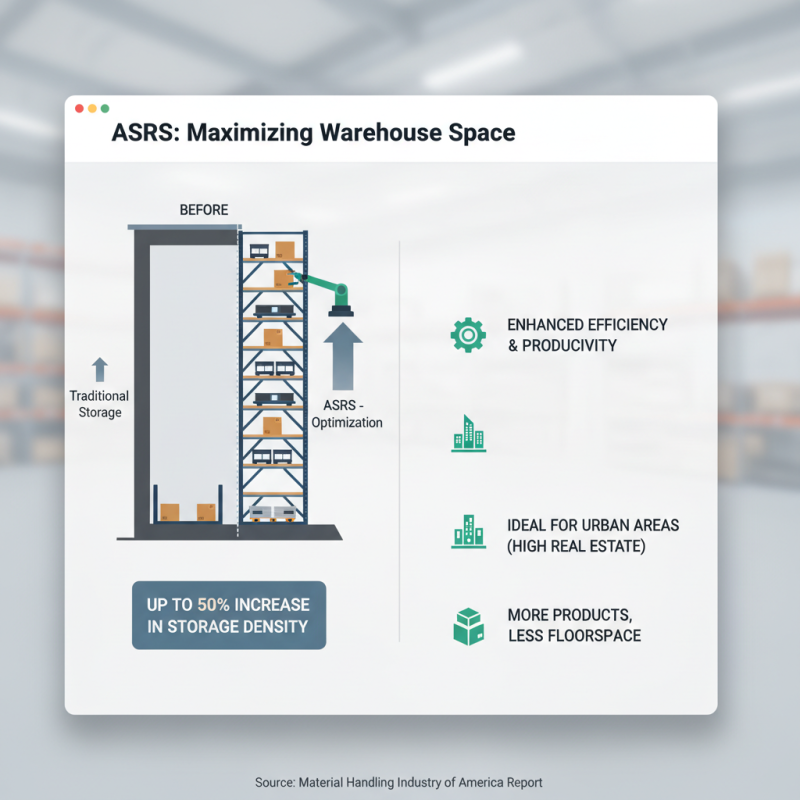
Automated Storage and Retrieval Systems (ASRS) have become crucial for modern warehouse operations, greatly enhancing efficiency and productivity. One of the most significant benefits of ASRS is the optimization of space utilization. According to a report by the Material Handling Industry of America, implementing ASRS can lead to up to a 50% increase in storage density, allowing warehouses to maximize their vertical space. This is particularly beneficial in urban areas where real estate costs are high, enabling companies to store more products without requiring additional floor space.
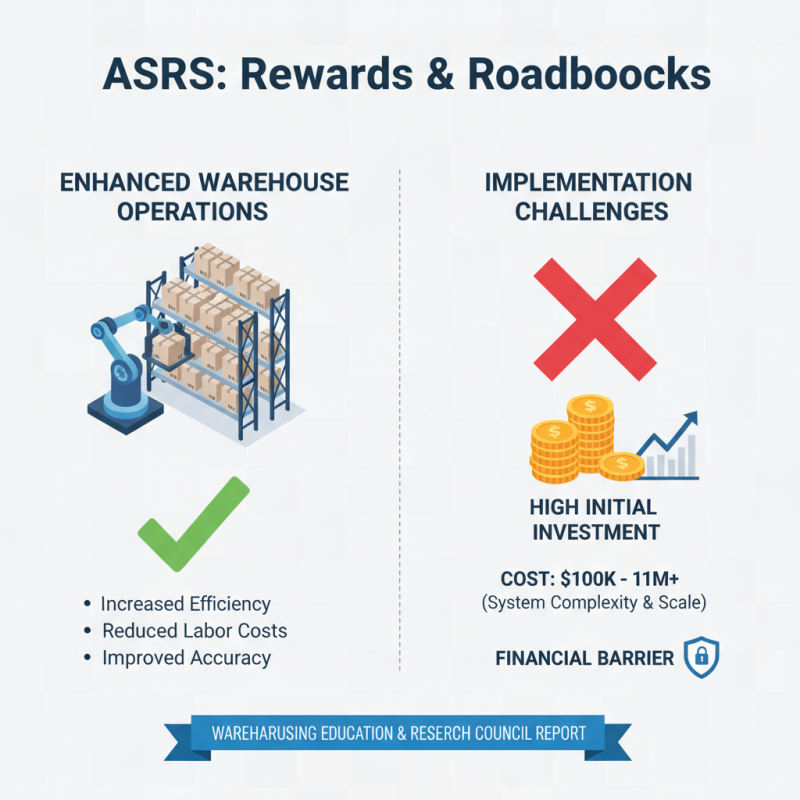
Another major advantage of ASRS is its capability to significantly reduce labor costs and improve accuracy in order fulfillment. Data from the Warehousing Education and Research Council indicates that ASRS can improve order picking accuracy by up to 99.9%. This not only helps in minimizing errors and returns but also streamlines the workflow, allowing employees to focus on more value-added tasks. Additionally, with the automation of repetitive tasks, labor shifts can be optimized, reducing the workforce needed while still maintaining productivity levels, which ultimately enhances the bottom line for businesses. By integrating ASRS into warehouse operations, companies can achieve a competitive edge through improved efficiency and customer satisfaction.
Implementation Challenges of ASRS Technologies
The implementation of Automated Storage and Retrieval Systems (ASRS) can significantly enhance warehouse operations; however, it is not without its challenges. One of the foremost hurdles is the high initial investment required for acquiring and installing these sophisticated systems. According to a report from the Warehousing Education and Research Council, the costs associated with ASRS implementation can be substantial, potentially ranging from hundreds of thousands to millions of dollars depending on the complexity and scale of the system. This financial barrier can be daunting for smaller companies or those operating on tight margins.
Additionally, integrating ASRS with existing warehouse management systems (WMS) presents another significant challenge. Transitioning from traditional storage methods to automated solutions requires careful planning and execution to avoid disruptions in operations. A study by the Material Handling Industry of America indicates that nearly 60% of organizations report difficulties in achieving seamless integration, which can lead to delays and inefficiencies during the adjustment period. Training staff to effectively operate and maintain the new systems is also crucial, as inadequate training can result in operational downtime and reduced productivity.
Moreover, logistical considerations play a vital role in the successful implementation of ASRS technologies. Adequate space must be available to accommodate the systems, and warehouse layouts may need to be redesigned to optimize for automation. According to a research report by Gartner, about 40% of companies face space utilization challenges when implementing ASRS, emphasizing the need for strategic planning and site assessments prior to deployment. These challenges highlight the importance of thorough preparation and investment in training and infrastructure to fully capitalize on the benefits that ASRS technologies can offer.
Future Trends in ASRS Development and Warehouse Efficiency
The advancement of Automated Storage and Retrieval Systems (ASRS) is significantly shaping the future landscape of warehouse operations. As the demand for efficiency and accuracy in inventory management grows, ASRS technology continues to evolve, integrating sophisticated algorithms and AI-driven analytics. These developments not only enhance the speed of operations but also streamline workflows, allowing warehouses to handle higher volumes with greater precision.
Future trends indicate a shift towards fully autonomous systems that can learn from real-time data, optimizing storage solutions and reducing human intervention.
Tips: As you assess the implementation of ASRS in your warehouse, consider focusing on systems that offer flexibility and scalability to adapt to changing inventory needs. Regularly review data analytics to fine-tune operations and maintain high levels of efficiency.
Additionally, the integration of IoT and tracking technologies in ASRS will redefine how warehouses monitor stock levels and equipment performance. This synergy fosters a proactive approach to maintenance, ensuring systems operate at peak efficiency and minimizing downtime. As warehouses become increasingly automated, the importance of cybersecurity also rises, requiring robust protocols to protect sensitive data and operational integrity.
Tips: To enhance your warehouse’s operational security, invest in comprehensive training for staff on cybersecurity best practices and implement regular audits of your ASRS systems to identify potential vulnerabilities.